
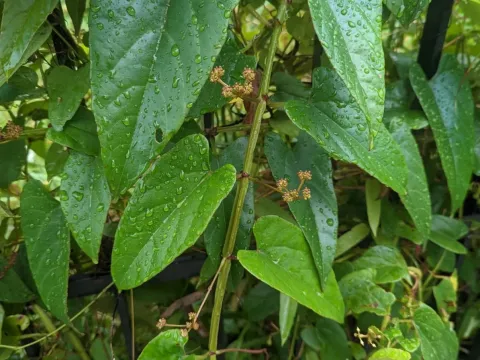
Halberd-leaf grape
Vitis hastata
Vitis hastata, commonly known as the halberd-leaf grape, is a distinct species within the Vitaceae family. Originating from Eastern Asia, this woody climber is naturally adapted to forest edges and riverine ecosystems where it can reach significant heights using natural supports.
What the section contains
Halberd-leaf grape
The plant thrives in deep, fertile, and well-drained soils with a balanced moisture regime. It is sensitive to waterlogged conditions, so selecting a planting site with excellent drainage or improving the soil structure is essential for long-term health and vitality.
Regarding climate, this grape species requires a growing season with adequate warmth and intense sunlight. While established vines are somewhat hardy, they benefit from protection during severe winter frost events to prevent damage to the main stems and buds.
Cultivation requires the installation of robust trellises or support systems to manage the vine's vigorous growth. Pruning is a mandatory agricultural practice; it helps maintain the desired shape, ensures sufficient airflow, and redirects energy towards healthy vegetative development.
Water management is critical during the initial establishment phase. Regular irrigation, combined with organic mulching of the root zone, helps to maintain stable soil temperatures and prevents evaporation, promoting a consistent growth rate throughout the summer.
The primary fungal threats to Vitis hastata include downy mildew and powdery mildew, both of which thrive in humid, stagnant air environments. Good canopy management is the most effective cultural method to reduce the risk of these diseases spreading.
Pests such as spider mites and leafhoppers can cause significant damage by piercing the leaf tissue and extracting chlorophyll. Infestations are often noticed through visible yellowing or mottling of leaves, which requires immediate intervention with suitable acaricides or insecticides.
Grape phylloxera remains a concern, particularly in areas where the soil conditions are conducive to its development. Regular monitoring of the root system and applying integrated pest management strategies are standard practices to prevent widespread vine decline.
Botrytis bunch rot can affect the reproductive parts of the vine if moisture levels remain high during late-season maturation. Managing humidity through pruning and avoiding excessive nitrogen fertilization helps keep the vine structure open and less susceptible.
Adopting a preventative maintenance schedule, including winter dormancy pruning and early-season sanitation, ensures that the halberd-leaf grape remains vigorous and resilient against common pathogens and pest pressures throughout the year.