
Cyphostemma auriculatum
Cyphostemma auriculatum
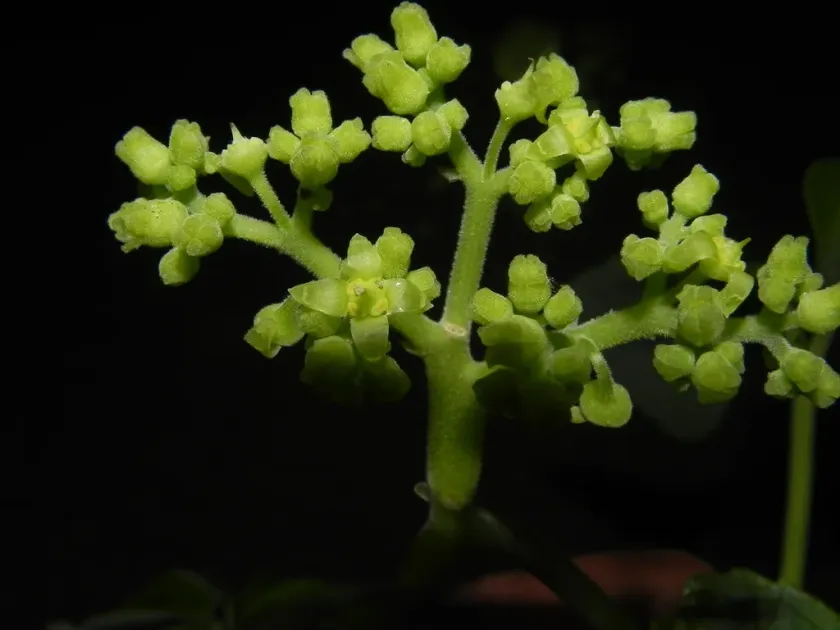
Description
Growing requirements
Cyphostemma auriculatum is a distinctive succulent member of the Vitaceae family, native to tropical regions of Africa. This species is recognized for its thickened, tuberous stem (caudex), which functions as a vital water storage organ, allowing the plant to thrive in semi-arid ecosystems.
To cultivate this species successfully, growers must prioritize high-intensity light exposure. While it prefers bright, filtered sunlight, protection from extreme afternoon heat is necessary to prevent tissue scorch on the leaves and stems.
Soil composition is the most critical aspect of the plant's husbandry. A highly porous and well-draining substrate—consisting of pumice, coarse sand, and a small portion of organic matter—is essential to prevent root asphyxiation and rot.
Temperature management must mirror the plant's natural rhythm. During the warm growing season, temperatures between 22°C and 30°C promote healthy development. Conversely, a distinct winter rest period with reduced temperatures is required for long-term plant health.
Irrigation practices must be strictly controlled. During active growth, water should be applied only after the potting medium has dried completely. Any excess water remaining in the pot or saucer is detrimental to the plant's succulent structure.
Main diseases and pests
The primary agricultural risks to Cyphostemma auriculatum include fungal pathogens that target the root system. These often arise from overwatering or inadequate soil aeration, leading to rapid degradation of the caudex tissue.
Common horticultural pests, particularly mealybugs and spider mites, pose a significant threat in indoor environments. Effective management involves maintaining adequate air circulation and applying targeted organic or chemical treatments at the first sign of infestation.