
Cyphostemma mappia
Cyphostemma mappia
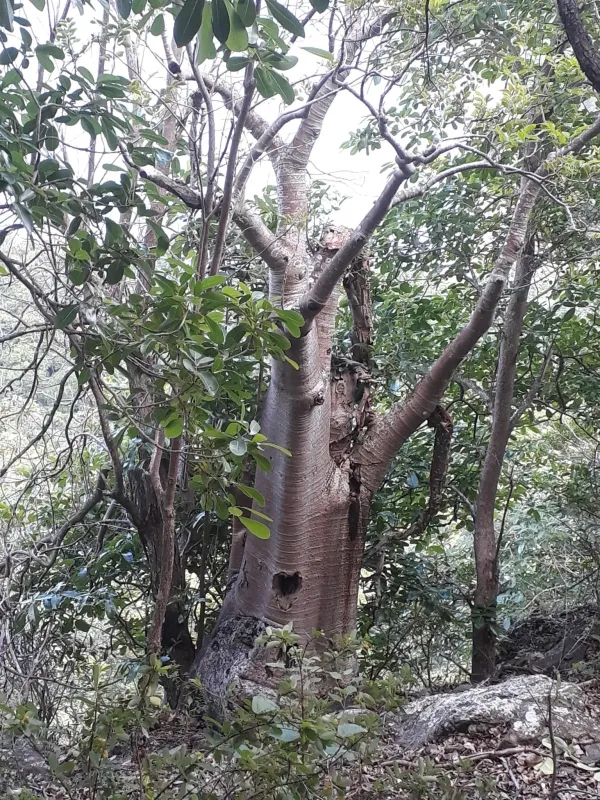
Description
Growing requirements
Cyphostemma mappia is a unique succulent shrub belonging to the Vitaceae family. Originating from the arid and semi-arid regions of Africa and Madagascar, this species has evolved into a caudex-forming plant, storing water in its thickened stems to survive extended periods of seasonal drought.
Botanically, it is distinguished by its slow growth rate and the development of a sculptural caudex that can become quite substantial over several decades. The foliage is typically deciduous, shedding leaves during the dormancy phase to conserve energy, which is a key adaptive mechanism for this plant.
Cultivation requires a highly porous and well-draining substrate to prevent root and stem rot. A mixture consisting of coarse pumice, perlite, and mineral-based loam is ideal. Ensuring sufficient aeration is crucial, as the root system is sensitive to the lack of oxygen caused by overly compacted soil media.
Temperature management is a cornerstone of its agrotechnology. The plant thrives in warm conditions, with an optimal growing temperature range of 22–30 degrees Celsius. During the winter dormancy period, it must be kept dry and in a location where temperatures do not drop below 15 degrees Celsius to protect the succulent tissue.
In terms of хозяйственное usage, Cyphostemma mappia is primarily utilized in the nursery trade and as a premium specimen for succulent collectors. Its architectural beauty makes it highly desirable for xeriscaping projects in climate-controlled environments and for display in botanical conservatories focused on rare dry-land flora.
Main diseases and pests
The primary threats to the cultivation of this species are bacterial and fungal pathogens that target the caudex. Overwatering is the most common cause of collapse, often leading to irreversible damage to the plant's internal structure; therefore, strict irrigation protocols are mandatory during colder months.
Pest management involves regular monitoring for common greenhouse nuisances like mealybugs and spider mites. These pests thrive in dry environments and can quickly colonize the succulent stems. Using systemic insecticides or manual removal techniques is recommended to maintain the aesthetic and physical health of the specimen.