
Cyphostemma crotalarioides
Cyphostemma crotalarioides
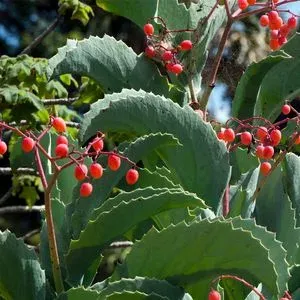
Description
Growing requirements
Cyphostemma crotalarioides is a striking succulent plant belonging to the Vitaceae family. Native to the southern regions of Africa, this species is well-known for its large, tuberous caudex, which functions as a critical water storage organ during arid seasons.
In terms of growing environment, this plant demands high levels of sunlight to maintain its structural integrity. Ideally, it should be kept in a position where it receives direct light for most of the day, which helps in developing its characteristic thick, woody stem base.
The soil requirements are strict: the medium must be extremely well-draining, consisting of a mix of potting soil, coarse sand, and volcanic rock or pumice. Poor drainage is the most frequent cause of failure in cultivating this specific species of Cyphostemma.
Watering practices must follow a strict seasonal cycle. During the growing season, watering should be thorough but infrequent, allowing the substrate to dry out completely between applications. During the dormant winter period, water should be strictly limited to prevent root rot.
Temperature management is also essential. Being an African native, it thrives in warm temperatures, but it can tolerate slightly cooler conditions during dormancy. Protection from frost is mandatory, as the plant is not cold-hardy and will perish if temperatures drop below freezing.
Main diseases and pests
Root and stem rot are the primary threats to Cyphostemma crotalarioides. These conditions are almost exclusively triggered by overwatering or the use of heavy, water-retentive soils that do not allow the roots to breathe properly.
Pests that commonly infest this plant include mealybugs and spider mites, particularly in indoor environments with low humidity. These pests tend to hide in the axils of the leaves or in the crevices of the caudex, making early detection difficult.
Regular inspection of the plant's surface is necessary to identify early signs of infestation. If mites or mealybugs are detected, applying insecticidal soap or specific systemic pesticides is recommended to restore the plant's health.
Environmental hygiene plays a significant role in disease prevention. Keeping the growing area clean, removing dead leaves, and ensuring consistent air circulation significantly lowers the probability of fungal outbreaks and insect colonization.
Lastly, ensure that new plants are isolated before being introduced to a collection. This quarantine practice prevents the accidental spread of pests or pathogens from nursery stock to healthy established specimens.