
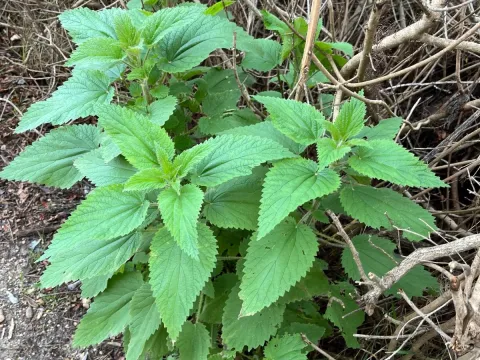
Graceful stinging nettle
Urtica gracilis
Seeds of Urtica gracilis are typically sown in the spring as soon as the soil warms to 8–10 degrees Celsius. Mid-April is considered the optimal time for sowing, allowing seedlings to adapt before the onset of summer heat.
What the section contains
Graceful stinging nettle
For high yields of green mass, winter sowing is also practiced at the end of October. This ensures uniform germination in early spring by utilizing snowmelt moisture, which is crucial for this crop.
The seeding depth for Urtica gracilis is between 0.5 and 1 centimeter. Due to the small size of the seeds, it is recommended to mix them with sand or peat for more even distribution across the field.
The seeding rate is approximately 6–8 kilograms per hectare with row planting. Row spacing should be about 45–60 centimeters to ensure proper maintenance of the inter-rows during the growing season.
After sowing, the field must be rolled to improve seed-to-soil contact. Seedlings appear within 14–20 days, provided that temperature and soil moisture levels are maintained correctly.
The graceful stinging nettle belongs to the Urticaceae family and is a perennial herbaceous plant. It prefers fertile, humus-rich loamy soils with a neutral or slightly acidic reaction.
The crop is demanding in terms of hydration but does not tolerate prolonged waterlogging. Water-logged soil can lead to root rot and decrease the overall productivity of the plantation.
The plant responds well to organic fertilizers, such as well-rotted manure or compost, applied before primary soil cultivation. Nitrogen supplementation during the intensive growth phase significantly boosts yields.
Optimal lighting for Urtica gracilis includes areas with light shading during the midday or open sunny locations. The crop demonstrates high winter hardiness in temperate climatic conditions.
Agronomy includes systematic weed control in the first year of growth, as young nettle develops slowly. Starting from the second year, the plant's powerful root system suppresses most weeds on its own.
The yield of graceful stinging nettle green mass depends directly on the intensity of care and the background fertility. Under favorable conditions, the plantation can produce up to 20–30 tons of fresh biomass per hectare per season with multiple cuts.
A key factor in increasing productivity is timely stem cutting. Repeated mowing stimulates the regrowth of lateral shoots and increases the overall leaf surface area of the plant.
The effective lifespan of the plantation is between 5 and 8 years. After this period, natural thinning of the stand occurs, requiring either crop rotation or the application of additional mineral fertilizers.
The yield of dry raw material is typically about 20–25% of the weight of the fresh-cut mass. The quality of the production is evaluated by the content of bioactive substances and the absence of impurities.
To ensure stable yields, annual cultivation of inter-rows is recommended. This practice promotes soil aeration and moisture retention, which is critical during dry summer months.
The main pests of nettle are insects specializing in the Urticaceae family. In particular, caterpillars of certain butterfly species can cause significant damage to the leaf apparatus.
Among diseases, fungal infections such as powdery mildew are most common. It manifests as a white coating on leaves during sudden temperature changes and high humidity.
Leaf spots caused by pathogenic fungi can reduce the commercial quality of the product. Prevention consists of maintaining optimal plant density and timely mowing, which removes affected parts.
Aphids may infest young shoot tips during periods of drought. Control is carried out through the application of biological insecticides or the use of insecticidal herbal infusions that are ecologically safe.
To prevent the spread of infections, it is necessary to follow crop rotation and avoid overcrowded plantings. It is mandatory to remove plant residues from the site after the final cut at the end of the season.
Harvesting is carried out during the flowering phase when the concentration of useful substances in the leaves and stems reaches its maximum. At this time, the plant possesses the best technological characteristics for further processing.
Mowing of the green mass is performed using specialized forage harvesters at a height of 10–15 centimeters from the soil surface. This cutting height ensures rapid regrowth of new shoots.
The collected mass must be promptly transported to the drying or processing site. Delaying the raw material in piles leads to rapid self-heating and loss of quality, which is unacceptable in industrial production.
Drying of the raw material is carried out in well-ventilated rooms or specialized dryers at temperatures not exceeding 45–50 degrees. This preserves the natural color and chemical composition of the source material.
After drying, cleaning and sorting are performed to remove impurities and damaged parts. The finished product is packed in bags or bales and stored in dry warehouse facilities, protected from direct sunlight.