
Cyphostemma woodii
Cyphostemma woodii
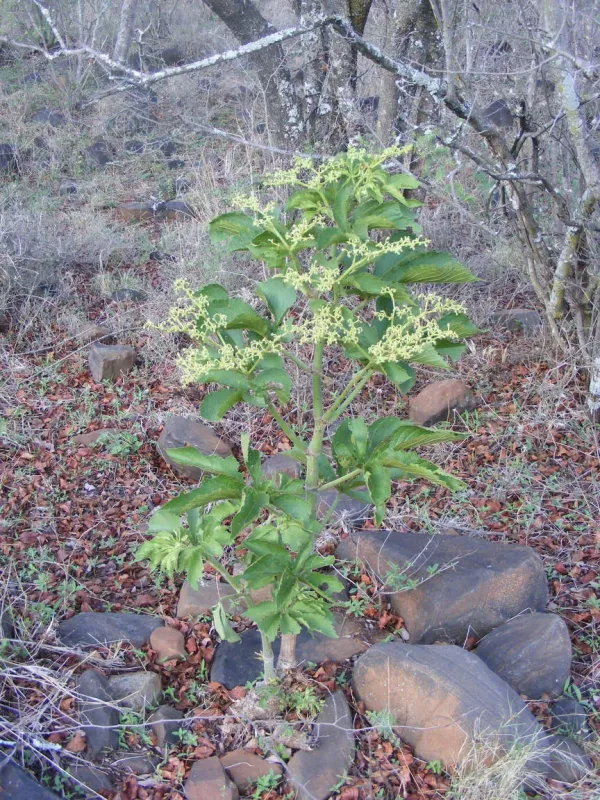
Description
Growing requirements
Cyphostemma woodii is a rare and highly sought-after succulent species that belongs to the Vitaceae family. It is best known for its swollen, caudex-like stem and striking, deciduous foliage, which make it a prized specimen in specialized horticultural collections globally.
Originating from the rocky terrains of Southern Africa, this plant has evolved to thrive in environments where water is scarce. Its botanical structure allows it to store reserves, making it an excellent candidate for xeriscaping or container gardening in controlled indoor environments.
To cultivate this species successfully, it requires a high-light environment, preferably full sun or very bright filtered light. If the light levels are insufficient, the plant tends to become etiolated, losing its characteristic compact and sturdy architectural form.
The soil requirements are strict: the medium must be extremely well-draining, such as a mix of pumice, coarse gravel, and a small amount of organic loam. Poor drainage is the leading cause of plant mortality, as the root system is highly susceptible to rot when left in standing water.
Temperature management is critical for the survival of Cyphostemma woodii. It thrives in warm temperatures during the growth phase but requires a significant drop in temperature during the dormancy period to ensure it rests properly and prepares for the next growing season.
Main diseases and pests
The most significant threats to this culture are root and stem rots caused by pathogenic fungi, typically stemming from improper irrigation practices. Maintaining a dry substrate during the winter dormancy period is the most effective way to prevent these lethal infections.
Pest management involves regular monitoring for common greenhouse insects like aphids and mealybugs. If an infestation is detected, physical removal or the application of horticultural soaps and systemic insecticides can effectively manage the population before it causes irreversible damage.