
Cyphostemma flavicans
Cyphostemma flavicans
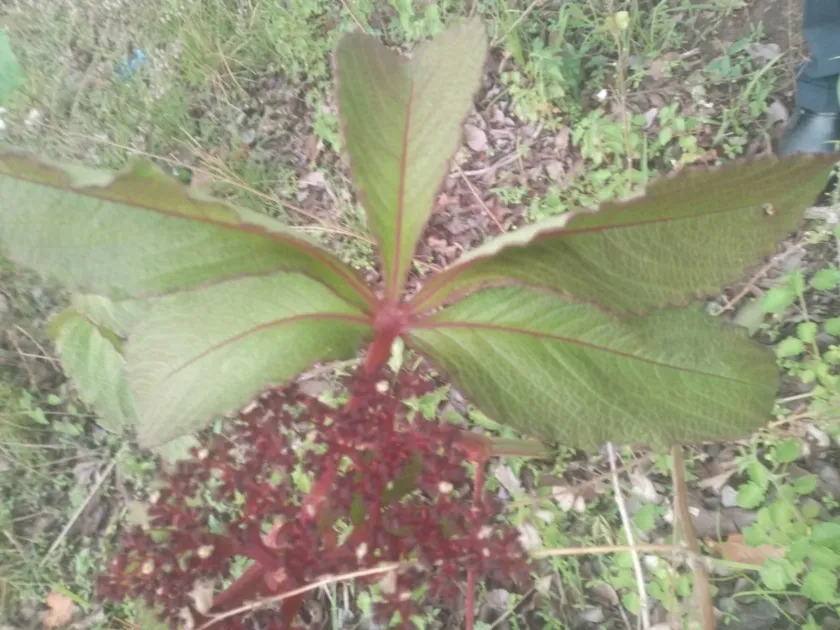
Description
Growing requirements
Cyphostemma flavicans is a unique caudex-forming succulent belonging to the Vitaceae family. The plant is highly valued for its distinct thickened stem, which acts as a water reservoir, allowing the species to thrive in harsh, arid environments.
In its natural habitat, typically found in dry regions of Africa, this species prefers well-draining, rocky, or sandy substrates. A crucial condition for optimal development is the use of slightly acidic to neutral soil that provides excellent aeration for the roots.
Successful cultivation requires bright, filtered light or direct sunlight, to which the plant should be gradually acclimated. The intensity of light directly impacts the growth rate of the caudex and the density of the fine hairs covering the young leaves, which is a signature trait of this plant.
The temperature should be moderately warm during the growing season, ideally between 22 and 28 degrees Celsius. During the winter, the plant requires a distinct dormant period with temperatures dropping to 12–15 degrees Celsius and minimal to no watering.
While atmospheric humidity is not critical for this culture, it is essential to prevent water accumulation in the saucer, as the root system is extremely susceptible to decay when subjected to low temperatures and excessive moisture simultaneously.
Main diseases and pests
The primary threats when growing Cyphostemma flavicans include fungal diseases resulting from waterlogged soil conditions. Root rot can destroy the plant in a matter of days, which is why agronomists recommend the use of preventative fungicides during the active season.
Among pests, the spider mite poses the greatest threat, as it thrives in dry air and high temperature conditions. Regular inspection of the underside of the leaves allows for the timely detection of colonies and prevents irreversible damage to the plant epidermis.
The plant may also be attacked by mealybugs, which conceal themselves in leaf axils and stem folds. Control should be handled with systemic insecticides suitable for succulents to avoid chemical burns on the sensitive tissues of the plant.
Monitoring the overall condition of the caudex is vital: any spots or soft patches on the trunk indicate a failure in agricultural practices. Finding such issues requires immediate inspection of the root system and replacement of the substrate with a coarser, more breathable mix.
To prevent pest infestation, it is recommended to maintain cleanliness in the growing area and ensure adequate natural air ventilation within the greenhouse or indoor collection space.