
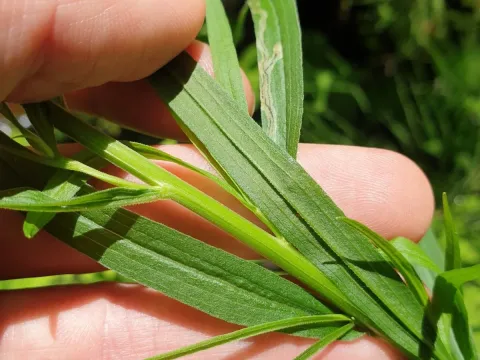
Grass-leaved goldenrod
Solidago graminifolia
Grass-leaved goldenrod is typically propagated via seeds, which perform best when sown outdoors in late fall or early spring following a period of cold stratification.
What the section contains
Grass-leaved goldenrod
The seeds are minute and require light to germinate, so they should be surface-sown onto prepared, moist soil without being covered by a thick layer of growing medium.
When starting indoors, maintain a consistent temperature of around 18–20 degrees Celsius to ensure steady development of seedlings over several weeks.
Proper spacing is crucial for healthy growth; aim to plant or transplant individuals about 30–40 centimeters apart to prevent excessive overcrowding later on.
In the first year of cultivation, the plant focuses on establishing a robust root system, requiring consistent irrigation to support early growth stages.
Belonging to the Asteraceae family, the grass-leaved goldenrod is a hardy perennial native to North America that thrives in various temperate environments.
The plant prefers full sun exposure to maintain its compact growth habit and to maximize the density of its characteristic flat-topped flower clusters.
It is adaptable to various soil types but reaches its peak vigor and floral display when grown in fertile, well-draining loams with neutral to slightly acidic pH levels.
While the species exhibits remarkable tolerance to different moisture levels, it performs optimally when provided with regular moisture throughout the active growing season.
It demonstrates excellent winter hardiness, allowing it to survive extreme cold temperatures without the need for additional protective mulching or coverings.
Agricultural interest in this crop is primarily linked to its role as a late-season honey plant, providing bees with essential resources during late summer and early autumn.
In ornamental horticulture, the plant is highly valued for its prolonged flowering period and the golden-yellow color saturation of its numerous small flower heads.
The biomass of the plant can be successfully harvested for dried floral arrangements, as the inflorescences maintain their structural integrity and vibrant hue.
Commercial yields are optimized through regular maintenance, including the division of older clumps every few years to rejuvenate the vigor of the plant stand.
Because the plant spreads via rhizomes, commercial growers must manage the perimeter of the crop to ensure optimal growth conditions for the current season.
Powdery mildew is the most prevalent issue for grass-leaved goldenrod, particularly in humid climates or when plants are grown too close together, restricting airflow.
Pests such as aphids and spider mites may target the succulent tips of the stems, especially during warm, dry weather conditions, necessitating careful monitoring.
Rust diseases can occur if foliage remains wet for extended periods, potentially reducing the visual appeal and overall health of the vegetative mass.
Proper cultural practices, such as ensuring sufficient spacing and avoiding overhead watering, are the best defenses against these common pathological threats.
Integrated pest management, involving early detection and the use of targeted biological controls, helps maintain plant health without heavy chemical reliance.
For floral use, stems should be harvested when the flower heads are fully open but before they begin to release excessive amounts of pollen for longer vase life.
To prepare for drying, gather stems into small bunches and hang them upside down in a well-ventilated, shaded area to retain color and prevent stem bending.
As a honey source, the active foraging period lasts from mid-August through September, which supports the healthy overwintering preparation of honeybee colonies.
Once the flowering season concludes and the foliage begins to senesce, cutting the stems back to the ground level facilitates easy winter maintenance.
Seed harvesting should occur after the flower heads have transitioned to a deep brown color, at which point they can be collected and air-dried for storage.