
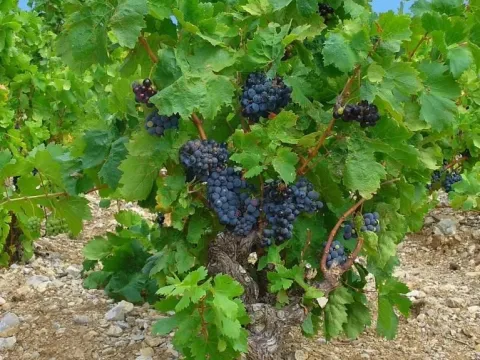
Grape hybrids
Vitis hybrids
Grape hybrids (Vitis hybrids) are members of the Vitaceae family, developed by crossbreeding standard grape varieties with wild species to enhance genetic vigor. This breeding strategy focuses on combining the high fruit quality of Vitis vinifera with the hardiness found in other wild cultivars.
What the section contains
Grape hybrids
The primary advantage of these hybrids is their exceptional environmental adaptability. They are capable of thriving in diverse climate zones, offering superior frost resistance and resilience against temperature fluctuations that would damage traditional Vitis vinifera varieties.
Optimal growth is achieved in well-drained, fertile soil with good exposure to sunlight. Proper site selection is critical, as grapevines require sufficient air circulation to prevent moisture accumulation around the leaves and fruit, which could lead to physiological disorders.
Agronomic management involves structured pruning and canopy maintenance to optimize light penetration and airflow. Soil management, including the balanced application of fertilizers, ensures that the vines develop strong wood and high-quality fruit clusters annually.
These hybrids serve various economic purposes, ranging from fresh table grape production to the creation of robust wines and juices. Their ability to produce consistent crops makes them a staple choice for both commercial vineyards and hobbyist gardens.
Grape hybrids are known for their high productivity and consistent bearing. Under optimal growing conditions, these vines can produce impressive yields, often ranging from 10 to 20 tons per hectare, depending on the specific cultivar and trellis system utilized.
One of the defining features of many Vitis hybrids is their robust natural resistance to common fungal pathogens like downy mildew and powdery mildew. This resistance allows growers to minimize fungicide applications significantly.
Despite their disease resistance, growers must remain vigilant against insect pests such as leafhoppers, phylloxera, and various mite species. Integrated pest management (IPM) strategies are recommended to maintain vine health and preserve the integrity of the harvest.
Harvesting is performed once the grapes reach their target sugar content and flavor profile. Manual harvesting is generally preferred to prevent damage to the delicate clusters, ensuring that the fruit remains in excellent condition for the supply chain.