
Cyphostemma cymosum
Cyphostemma cymosum
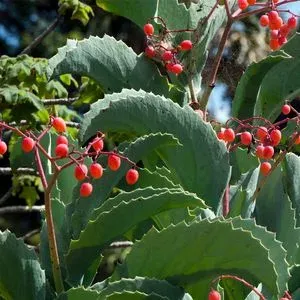
Description
Growing requirements
Cyphostemma cymosum is a distinct succulent member of the Vitaceae family, native to the arid regions of Southern Africa. It is characterized by its large, tuberous caudex, which functions as an adaptive mechanism for water storage in dry environments.
The primary cultivation requirement is an exceptionally well-draining soil mix. A combination of coarse sand, perlite, and a small portion of organic loam is recommended to prevent waterlogging and facilitate root health.
This species thrives in high-light conditions, requiring significant sun exposure to maintain its compact growth form. Without adequate light, the stems become etiolated and lose the structural integrity typical of the species.
Temperature management is critical: the plant requires a warm growing season and a cooler, dry dormancy period. During winter, temperatures should be kept moderate, avoiding frost at all costs to ensure survival.
Irrigation must be strictly managed based on the season. During the active growing phase, water should be applied when the substrate is completely dry, while winter irrigation should be significantly reduced or suspended entirely.
Main diseases and pests
Root rot is the most common pathology affecting Cyphostemma cymosum, usually triggered by improper substrate aeration or excessive watering. This condition can lead to rapid decay of the caudex and plant death.
Common insect pests include mealybugs and spider mites. These pests tend to congregate in the axils of the leaves or crevices of the swollen stem, where they feed on plant sap and weaken the overall structure.
Poor ventilation is a leading cause of fungal infections, which manifest as leaf spotting. To mitigate this, growers should ensure constant air circulation within the growing area or greenhouse environment.
Over-fertilization can result in unnaturally soft growth, making the plant more susceptible to opportunistic pathogens. A balanced, low-nitrogen fertilizer should be applied sparingly during the growing months.
Regular monitoring of the base and foliage is essential for early detection of infestations. Preventive applications of horticultural oils or systemic insecticides help keep the culture robust and free from damage.