
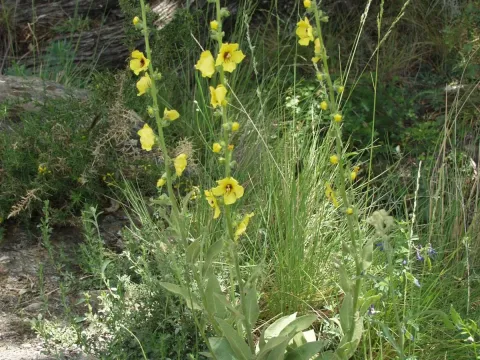
Granadan mullein
Verbascum granatense
Granadan mullein (Verbascum granatense) is a herbaceous perennial belonging to the Scrophulariaceae family. It is native to mountainous regions where it has adapted to harsh environmental conditions over long periods of evolution.
What the section contains
Granadan mullein
The plant thrives in well-drained, stony, or sandy soils. It requires full sun exposure and performs poorly in shaded areas, making site selection a critical factor for successful cultivation and plant development.
In terms of climate, it is well-suited to Mediterranean conditions characterized by hot, dry summers and cool, wet winters. Its natural drought resistance makes it an excellent candidate for low-maintenance landscaping and specialized agriculture.
Agronomic management must prioritize soil aeration to prevent root hypoxia. The species is highly sensitive to waterlogging, which often results in the immediate decay of the taproot system in heavy or clay-based soils.
Fertilization should be handled with caution, as excessive nutrients can negatively impact the plant's structural integrity. A balanced approach focusing on micronutrients is typically preferred over high-nitrogen schedules.
The plant is susceptible to fungal infections, particularly powdery mildew, which can spread rapidly during humid and stagnant atmospheric conditions. Proper spacing is essential to ensure adequate airflow around the foliage.
Insect pests, including various caterpillars and aphids, can cause significant leaf damage. Early detection is key, as infestations can quickly weaken the plant and reduce its reproductive potential for the season.
Root rot, driven by water-mold pathogens like Phytophthora, poses a major threat. Avoiding overly dense soil structures and ensuring excellent drainage are the primary preventative measures for commercial cultivation.
Nematode infestations in the soil can compromise the health of the root system over time. Implementing a crop rotation strategy helps mitigate the buildup of soil-borne pests and maintains overall field health.
Environmental stress, such as unseasonal frosts, can make the plants more susceptible to secondary bacterial infections. Protecting the plants during extreme weather events is recommended for optimal yield stability.