
Cyphostemma lelyi
Cyphostemma lelyi
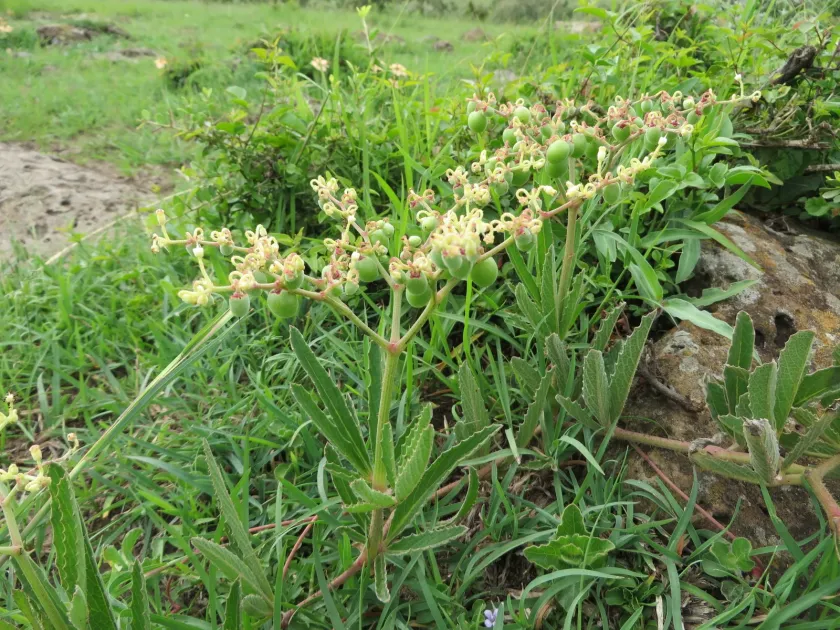
Description
Growing requirements
Cyphostemma lelyi is a distinct member of the Vitaceae family. It is a perennial succulent plant native to the arid environments of Tropical Africa, specifically identified in regions of Nigeria.
Botanically, this species is characterized by its succulent habit, forming a thickened caudex that acts as a water storage organ during prolonged dry seasons. The leaves often display a unique pubescence, which serves as a defensive mechanism against extreme heat and solar radiation.
For successful cultivation, the plant requires bright, filtered light and a well-draining environment. The primary challenge in its care is avoiding moisture accumulation in the root zone, which can lead to catastrophic tissue decay.
The substrate must be highly porous, consisting of mineral amendments such as crushed pumice, perlite, and coarse sand. A soil pH ranging from neutral to slightly acidic is ideal to ensure optimal nutrient uptake and root health.
The plant thrives at temperatures between 20°C and 30°C during the growing season. A distinct rest period is mandatory during the cooler months, requiring temperatures around 15°C and minimal water to allow the plant to enter dormancy.
Main diseases and pests
Fungal diseases are the primary threat to Cyphostemma lelyi, specifically root rot triggered by improper watering schedules. Once rot initiates in the succulent caudex, it is often irreversible.
Common pests include spider mites and mealybugs, which tend to congregate on tender new growth. These pests thrive in stagnant air conditions, significantly weakening the plant over time.
Proactive management includes regular plant inspections and maintaining proper airflow around the canopy. Avoiding overly high humidity levels is crucial to preventing both fungal outbreaks and pest infestations.
Treatment for pest outbreaks should involve targeted applications of appropriate insecticides. However, correcting cultural errors, such as improving drainage or adjusting the watering frequency, remains the most effective defense.
Using sterile soil mixes and practicing good hygiene by cleaning all pruning tools help prevent the spread of pathogens, ensuring the long-term vigor of these unique succulent specimens.