
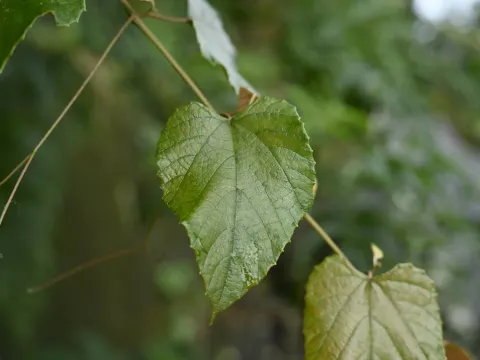
Heyne grape
Vitis heyneana
Heyne grape (Vitis heyneana) belongs to the Vitaceae family and is native to the diverse landscapes of East Asia, particularly China. This wild woody vine species is well-adapted to climbing and thrives in mountainous valleys and forest fringes.
What the section contains
Heyne grape
The botanical structure of this vine is characterized by vigorous growth, featuring robust stems and strong tendrils. The leaves are typically medium-sized with a distinct appearance, often showing pubescence on the underside, which aids in water conservation and thermal regulation.
The cultivation of Vitis heyneana requires well-drained, fertile soil with a balanced nutrient profile. While it can adapt to various soil types, the species excels in environments that provide moderate moisture levels without the risk of waterlogging, which is essential for root health.
Climate requirements include exposure to sufficient sunlight and a distinct growing season that allows for the maturation of woody stems. The species is accustomed to monsoon climates, showing resilience to seasonal variations in humidity and temperature throughout the year.
In terms of agricultural use, the Heyne grape is primarily utilized as a genetic resource in viticultural research. It serves as a source for breeding programs aimed at developing grape varieties that possess increased hardiness and resistance to environmental stress.
Vitis heyneana exhibits a remarkable level of natural resistance to common viticultural diseases such as downy mildew and powdery mildew. This innate immunity makes it a subject of great interest for researchers seeking to reduce chemical dependency in grape production.
In its native habitat, the plant faces pressure from various insect pests, including leaf-feeding caterpillars and mites. However, the presence of natural predators keeps these populations under control, preventing widespread damage to the vine's structure.
When grown in non-native climates, the vine might require monitoring for occasional fungal spots caused by local pathogens. Proper canopy management and good air circulation around the foliage are generally sufficient to prevent significant disease outbreaks.
One of the most significant traits of the Heyne grape is its resistance to phylloxera, a devastating pest for many Vitis vinifera cultivars. This biological trait makes Vitis heyneana a valuable candidate for hybridization and rootstock development.
Maintaining a healthy, balanced environment is key to minimizing threat risks for this species. Regular observation and good agricultural practices ensure that the vine maintains its natural vigor and productive potential throughout the seasons.