
Cyphostemma cirrhosum
Cyphostemma cirrhosum
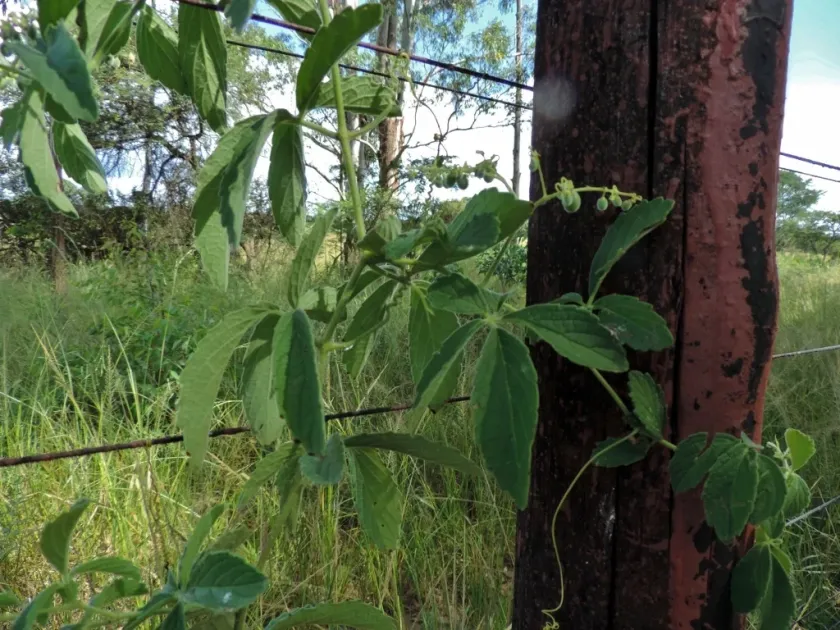
Description
Sowing dates
Propagation of this culture in cultivation is most often carried out by seeds or stem cuttings. Seeds require preliminary stratification and are sown in a loose, well-drained substrate that mimics the rocky soils of its natural habitat.
The optimal time for sowing is during the spring when the daylight hours increase, which promotes the germination of young sprouts. The temperature regime during sowing should be maintained at 22–25 degrees Celsius.
Cuttings are considered a faster method, but require caution due to the high risk of stem rot with excessive moisture. Cuttings should be allowed to dry for a few days before planting in sand.
Young seedlings develop slowly, forming the characteristic thickened caudex that is their hallmark. Transplantation into a permanent container is performed after the root system has reliably filled the volume of the pot.
An important aspect is the use of sterile soil to prevent the development of fungal infections, which are critical for young specimens of Cyphostemma.
Growing requirements
Cyphostemma cirrhosum is a perennial succulent plant from the Vitaceae family, native to the arid regions of Southern Africa. It is adapted to bright sunlight and long periods of drought.
The plant requires the brightest possible location, preferably in direct sunlight, which contributes to the proper formation of the caudex and the density of the shoots. A lack of light leads to ugly stretching of the stems.
Soil requirements focus on providing perfect drainage. It is recommended to use mixtures based on mineral components: gravel, pumice, or coarse sand with a minimal addition of leaf humus.
Watering should be moderate during the active growing season and almost completely stopped during the winter dormant period. Stagnant water is a fatal factor that triggers root rot.
Climate conditions for this crop must exclude any frost, as the plant is extremely sensitive to low temperatures. The optimal summer temperature is 25–30 degrees Celsius.
Main diseases and pests
The most serious threat to the plant is fungal diseases that develop when the watering schedule is violated or soil aeration is poor. Affected areas of the caudex are often impossible to save.
Among the pests, spider mites and mealybugs are the most dangerous for Cyphostemma. They multiply rapidly in dry indoor air, sucking juices from young leaves and shoots.
Regular prevention consists of a visual inspection of leaf axils and the underside of the leaves. If insects are detected, specialized insecticides or acaricides should be used.
In conditions of high humidity, the plant can be affected by gray mold, which requires immediate removal of diseased parts and treatment with systemic fungicides.
Protection also includes maintaining the cleanliness of the substrate: the presence of fallen leaves or plant debris, which can become a source of infection, is not allowed.