
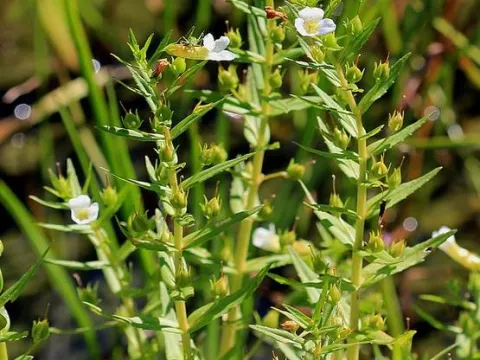
Gratiola antiabortiva
Gratiola antiabortiva
Gratiola antiabortiva is a herbaceous perennial that requires specific environmental conditions for optimal growth. Sowing seeds directly in the field is recommended when soil temperatures consistently reach at least 15 degrees Celsius to ensure rapid germination.
What the section contains
Gratiola antiabortiva
Seeds are small and light-sensitive, which is why they should be sown on the surface or covered with a very thin layer of fine soil. Pre-sowing stratification in cool, moist conditions significantly increases the germination percentage of the crop.
For intensive production, starting seedlings in a controlled greenhouse environment is more efficient. Sow seeds in late winter or early spring using a moisture-retentive substrate to maintain high humidity levels essential for early development.
Transplanting seedlings into open fields should occur once the risk of frost has passed completely. Proper spacing is crucial to prevent plant competition; aim for a distance of at least 25 centimeters between individual plants in the row.
Adequate soil moisture must be maintained throughout the germination phase and during early growth stages. Lack of water can cause significant seedling losses, especially in areas with sandy, well-draining soil structures.
The plant belongs to the family Plantaginaceae and is naturally found in damp habitats, including meadows and stream banks. It thrives best in fertile, humus-rich soil that has a neutral or slightly acidic pH level.
Water management is the most important factor in the cultivation of this species. It requires consistent moisture throughout the growing season, making it an excellent candidate for cultivation in areas with naturally high water tables or irrigation systems.
Exposure to full sunlight promotes better synthesis of chemical compounds within the plant tissues. While it can tolerate partial shade, productivity often decreases in conditions where sunlight is insufficient for consistent development.
Soil structure should be managed to avoid compaction, which can impede root expansion and water uptake. Adding well-rotted organic matter before planting improves soil aeration and nutrient retention, leading to healthier plant growth.
Regular maintenance involves keeping the area free of weeds, as the plant does not compete well with vigorous invasive species. Periodic fertilization with balanced nutrients ensures sustained growth throughout the summer months.
Gratiola antiabortiva is generally resilient to many common pests due to its phytochemical composition. However, improper drainage can lead to severe issues with root rot and other soil-borne fungal pathogens that quickly damage the root system.
Fungal leaf spots can appear during prolonged periods of high humidity and poor airflow. Managing plant density and ensuring sufficient spacing between plants can help reduce the incidence of these diseases by facilitating air circulation.
Insects like aphids may occasionally infest the plants, particularly during stressful dry conditions. Integrated pest management, such as the introduction of beneficial insects or biological sprays, is preferred over synthetic chemical treatments.
Slugs and snails can be problematic in moist environments where the plant naturally grows. Using physical barriers or organic bait can help protect the young foliage from damage during the early stages of plant development.
Ongoing monitoring is essential for identifying early symptoms of disease. Quick removal and proper disposal of infected material are necessary steps to contain outbreaks and protect the overall health of the cultivation area.