
Cyphostemma adenocaule
Cyphostemma adenocaule
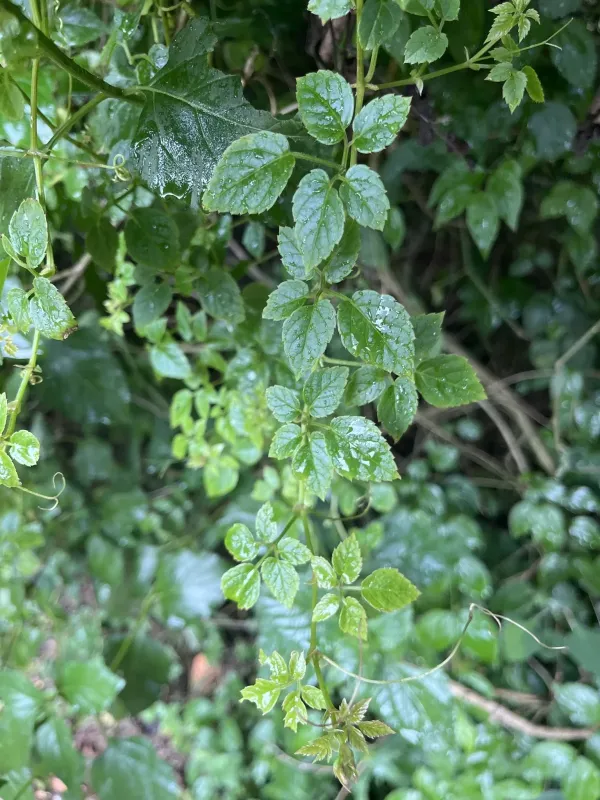
Description
Growing requirements
Cyphostemma adenocaule is a fascinating caudex-forming succulent belonging to the Vitaceae family. Native to tropical regions of Africa, it is widely recognized by enthusiasts for its unique, swollen stem which acts as a water storage organ.
Successful cultivation requires a highly porous and fast-draining substrate. A professional mix should consist of mineral components like pumice, coarse sand, and a small portion of organic matter to mimic the natural rocky soils of its habitat.
This species thrives in high light conditions and requires warm temperatures throughout the growing season. It should be kept in a greenhouse or a sunny location where temperatures consistently stay above 20 degrees Celsius during the day.
Watering management is critical to the plant's survival. During the growth phase, it should be watered only when the soil has completely dried out. During the winter dormancy period, watering must be significantly reduced or suspended entirely.
Propagation is typically achieved through seeds or cuttings. Seeds require warmth to germinate, while cuttings need to be calloused before being placed in a dry, sandy rooting medium to prevent rot.
Main diseases and pests
The primary threat to Cyphostemma adenocaule is overwatering, which creates an environment conducive to fungal infections. Root rot and stem rot are the most common causes of plant mortality in improper agricultural settings.
Pests such as spider mites, mealybugs, and scale insects frequently target this plant. These pests feed on the sap, causing growth retardation and creating entry points for secondary bacterial or fungal infections.
Integrated pest management involves regular monitoring and the use of insecticidal soaps or systemic chemicals when necessary. Maintaining high air circulation helps minimize the risk of insect colonization.
To ensure plant health, avoid wetting the foliage excessively, as water droplets can leave mineral deposits or promote the growth of molds if the humidity is too high and airflow is insufficient.
In case of severe pest infestation, it is advisable to isolate the affected plant immediately from the rest of the collection to prevent the spread of parasites to healthy specimens.