
Cyphostemma sokodense
Cyphostemma sokodense
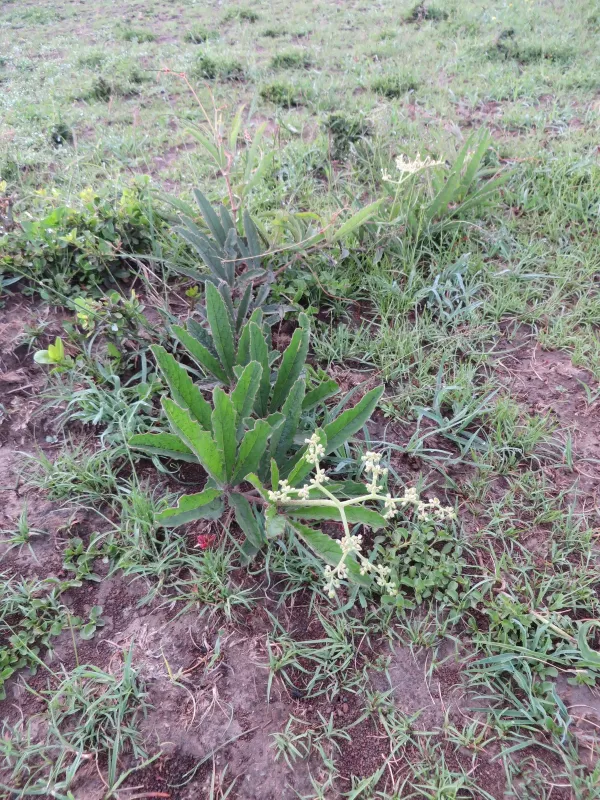
Description
Growing requirements
Cyphostemma sokodense is an intriguing succulent species belonging to the Vitaceae family. Native to tropical regions of Africa, it is recognized for its unique, tuberous, or succulent-like stems that serve as water storage organs.
The plant thrives in warm tropical environments where the temperature remains consistent throughout the year. It does not tolerate cold exposure and requires temperatures above 15 degrees Celsius to maintain active growth.
High levels of bright, indirect sunlight are essential for the development of the plant. While it adapts to various light conditions, excessive shade leads to etiolation, where the plant grows weak and stretched.
Soil requirements are strict regarding drainage. A well-aerated potting mix containing pumice, coarse sand, and a small amount of peat or quality organic matter is highly recommended to avoid water retention.
Watering should mimic the natural dry and rainy cycles of its habitat. During the active growth season, water thoroughly once the soil has dried, while maintaining a dry dormant period during the cooler months.
Main diseases and pests
The most significant threat to Cyphostemma sokodense is root rot, which is almost always the result of improper watering regimes and poor drainage in the container.
Fungal pathogens can quickly attack the succulent stems if they remain wet for extended periods, necessitating the use of fungicides in severe cases of infection.
Pest issues often involve common indoor threats such as mealybugs, which tend to hide in the joints between stems and leaves, extracting nutrients from the plant.
Spider mites are another concern, particularly in environments with low humidity, and they can cause stippling and yellowing of the foliage over time.
To ensure plant health, regular monitoring, proper spacing to encourage airflow, and the use of targeted acaricides or systemic insecticides are recommended as primary management practices.