
Cyphostemma adenopodum
Cyphostemma adenopodum
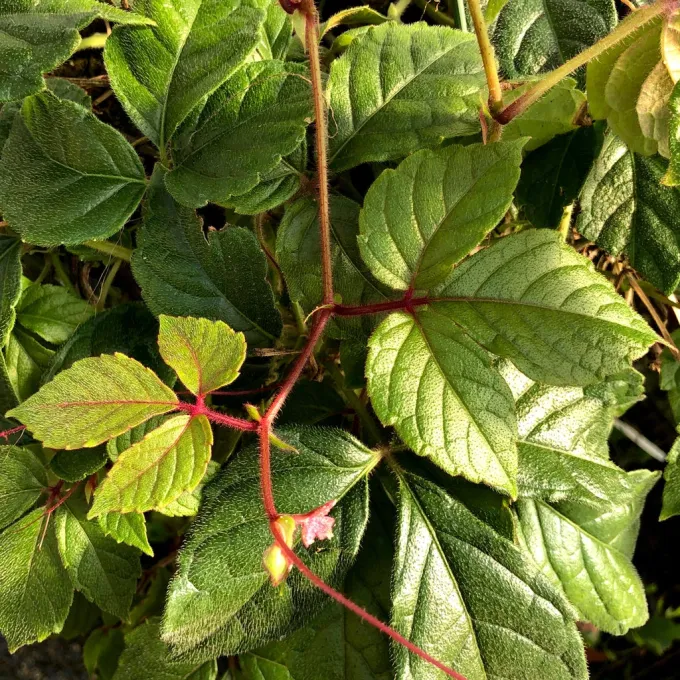
Description
Growing requirements
Cyphostemma adenopodum is a specialized succulent species belonging to the Vitaceae family. It is widely recognized for its prominent caudex, an enlarged stem base that serves as a storage organ, allowing the plant to withstand periods of extreme drought in its native environment.
Originating from the tropical regions of Africa, this plant has adapted to survive in challenging environments. Its natural habitat includes rocky terrain and well-draining soil structures, where the rapid drainage of water is essential for the health of its root system.
The agronomic requirements for Cyphostemma adenopodum are focused on mimicking its natural tropical conditions. It requires bright, indirect sunlight to stimulate growth, with temperatures strictly maintained between 20°C and 30°C for optimal metabolic activity.
Soil composition must prioritize drainage. Professional growers use mineral-based substrates containing pumice, gravel, and sand to ensure that moisture does not accumulate around the base of the plant, as this is the primary cause of cultivation failure.
Watering practices are defined by a distinct seasonal cycle. During the active growing season, moderate water is provided only after the soil has completely dried out. During the dormancy phase, the plant requires very little to no water to prevent rot.
Main diseases and pests
The primary threats to Cyphostemma adenopodum include various fungal pathogens that thrive in damp conditions. Root and caudex rot, caused by overwatering or poor drainage, are the most frequent causes of plant mortality in professional settings.
Pest management is focused on controlling spider mites and mealybugs. These organisms can quickly colonize the succulent stems and leaves, extracting fluids and creating entry points for secondary infections or viruses.
Environmental control is essential to minimize disease pressure. Maintaining proper spacing between plants and ensuring good air circulation reduces the risk of moisture accumulation, which inhibits the spread of fungal spores and prevents infestation outbreaks.
Integrated pest management (IPM) is recommended for this crop, utilizing systemic treatments only when necessary. Since succulents have sensitive skin, testing chemical treatments on a small portion of the plant is standard practice to avoid burning or damage.
Regular monitoring of the apical growth points is crucial. Any discoloration or stunted growth should be addressed immediately, as the plant's succulent nature can often hide the severity of a disease until it has caused irreversible damage to the caudex.