
Cyphostemma macrocarpum
Cyphostemma macrocarpum
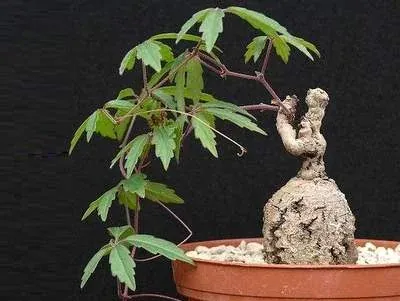
Description
Growing requirements
Cyphostemma macrocarpum is a member of the Vitaceae family, characterized by its succulent habit and thickened stem. This species is native to tropical Africa, where it has evolved to thrive in environments with distinct wet and dry seasons.
The plant requires a highly porous, well-draining soil medium. Standard potting mixes for succulents, supplemented with volcanic rock or coarse sand, are ideal to prevent root asphyxiation, which is a common issue for this species in cultivation.
Environmental conditions must mimic tropical climates with consistently warm temperatures. During the growing season, the plant benefits from plenty of warmth, but it requires a significantly cooler and drier period during its natural dormancy phase.
Light levels are crucial for the structural integrity of the plant. It demands bright, indirect sunlight throughout the year to maintain its compact growth form. Low light conditions frequently result in leggy, etiolated stems that are prone to breakage.
In terms of agricultural and horticultural use, this plant is primarily valued as a botanical curiosity and an ornamental succulent. It is a prized specimen for specialized collections, showcasing the adaptive evolution of caudiciform plants within the Vitaceae family.
Main diseases and pests
The primary threat to Cyphostemma macrocarpum is waterlogging, which rapidly leads to root and caudex rot. Cultivators must ensure that the growing medium is completely dry before applying additional water, especially during the winter months.
Pest pressures include infestations of mealybugs and spider mites, which tend to congregate in the leaf axils or on the undersides of the foliage. Maintaining good air circulation and appropriate humidity levels is the best defense against these pests.