
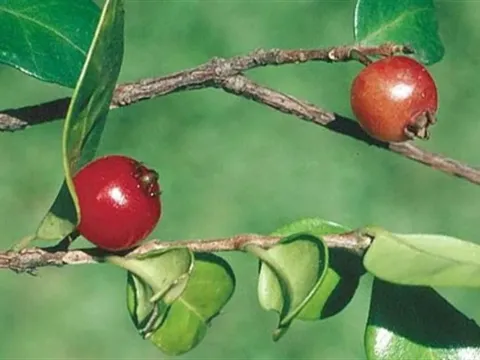
Gossia fragrantissima
Gossia fragrantissima
Gossia fragrantissima is a member of the Myrtaceae family, known for its distinct aromatic properties. Propagation is primarily achieved through seeds or stem cuttings, requiring controlled environmental conditions to ensure high germination rates and seedling vigor.
What the section contains
Gossia fragrantissima
When sowing seeds, it is essential to use a well-draining, sterile potting mix. The optimal temperature range for germination is between 22 and 26 degrees Celsius, with consistent humidity provided by misting or covering the tray with a transparent lid.
Young plants should be hardened off gradually before being transplanted to their final location. This process strengthens the plant's cuticle and root system, making it more resilient to outdoor environmental fluctuations and stressors.
Planting density must be carefully managed to allow for adequate airflow between plants. Proper spacing prevents the microclimate from becoming too stagnant, which is critical for maintaining the health of the aromatic foliage characteristic of this species.
Successful establishment relies on steady moisture levels during the first few weeks after transplanting. Ensuring the root ball does not dry out is essential for preventing transplant shock and promoting immediate vegetative growth.
This species thrives in sunny, well-lit positions with protection from strong, desiccating winds. As a tropical or subtropical plant, it requires an environment where temperatures do not drop significantly, as frost can cause severe tissue damage.
Soil requirements include excellent drainage and a slightly acidic to neutral pH. Heavy soils should be amended with organic matter and coarse sand to prevent waterlogging, which the root system of Gossia fragrantissima is particularly sensitive to.
Irrigation must be precise; the use of drip irrigation systems is recommended to maintain a uniform soil moisture content. This approach minimizes the risk of root rot while ensuring that the plant receives adequate hydration during the growing season.
Fertilization should focus on balanced NPK ratios with added micronutrients to support healthy leaf development. Seasonal applications of compost or high-quality granular fertilizer help replenish soil nutrients and improve overall plant vitality.
Mulching the root zone is highly beneficial for temperature regulation and moisture retention. Organic mulch also helps suppress weeds, reducing the competition for resources and keeping the root environment clean and healthy.
Common pests include scale insects and mealybugs, which tend to infest the undersides of leaves and along stems. Early detection and the use of horticultural oils or systemic insecticides are effective strategies for managing these populations.
Fungal diseases, especially powdery mildew, can affect the plant if humidity levels are high and airflow is poor. Regularly inspecting foliage for signs of white, powdery spots is a key preventative measure for maintaining leaf health.
Root rot is a significant threat associated with poor drainage and overwatering. If the substrate remains saturated for extended periods, pathogens like Phytophthora may colonize the roots, leading to rapid decline and plant death.
Leaf-eating insects can cause significant cosmetic and physiological damage. Integrated pest management, including the encouragement of beneficial insects, can help keep these populations under control without relying solely on harsh chemical interventions.
- Regular pruning to remove dead or diseased branches.
- Monitoring for pest infestations during the active growing phase.
- Ensuring proper sterilization of pruning tools to prevent spread.