
Cyphostemma rupicola
Cyphostemma rupicola
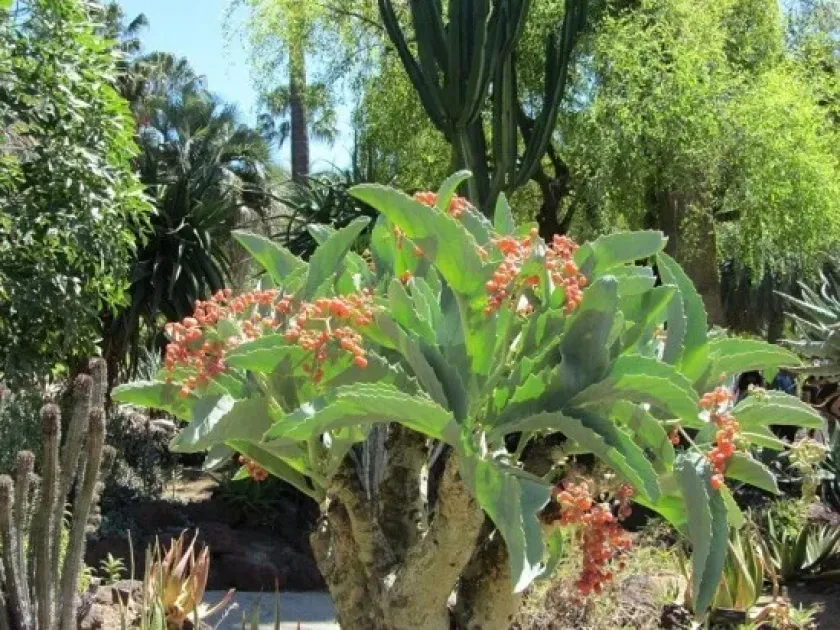
Description
Sowing dates
Cyphostemma rupicola is a rare succulent belonging to the Vitaceae family, known for its attractive thickened caudex and unique growth pattern.
Propagation is typically performed via seeds sown in a warm environment. It is crucial to maintain temperatures between 25°C and 28°C for successful germination.
The substrate for sowing should be highly porous, consisting of a mix of sand, pumice, and finely ground organic matter to ensure drainage.
Seeds should be sown shallowly and covered with a thin layer of fine gravel to prevent displacement and maintain stable moisture around the seed coat.
Germination usually takes several weeks. Once the first true leaves appear, seedlings should be gradually acclimated to brighter lighting conditions.
Growing requirements
Native to rocky habitats in Namibia and Angola, this plant is perfectly adapted to dry climates and requires intense light to thrive.
It prefers a mineral-based soil mixture. A typical composition includes 60% grit or perlite and 40% well-draining soil mix to mimic its natural habitat.
During the active growing season, regular but moderate watering is necessary. The soil must dry out completely between waterings to prevent rot.
During the dormancy phase, which occurs in the winter months, all watering must be suspended to allow the plant to rest safely without moisture stress.
Temperature control is essential. During the summer, it enjoys warm temperatures, whereas in winter, it should be kept at temperatures above 12°C.
Main diseases and pests
The primary threat to Cyphostemma rupicola is root and caudex rot, which is almost exclusively caused by overwatering or poor drainage systems.
Mealybugs are the most common pests, frequently found hiding in the leaf axils, which can stunt growth and weaken the plant's structural integrity.
Spider mites can also be problematic if the humidity levels remain too low for an extended period, especially in stagnant greenhouse environments.
Fungal infections can develop on leaves if water remains on them for too long, necessitating good air circulation and ventilation.
Effective management includes regular inspection and the use of appropriate pesticides or fungicides applied at the first sign of infestation or stress.