
Cyphostemma pachypus
Cyphostemma pachypus
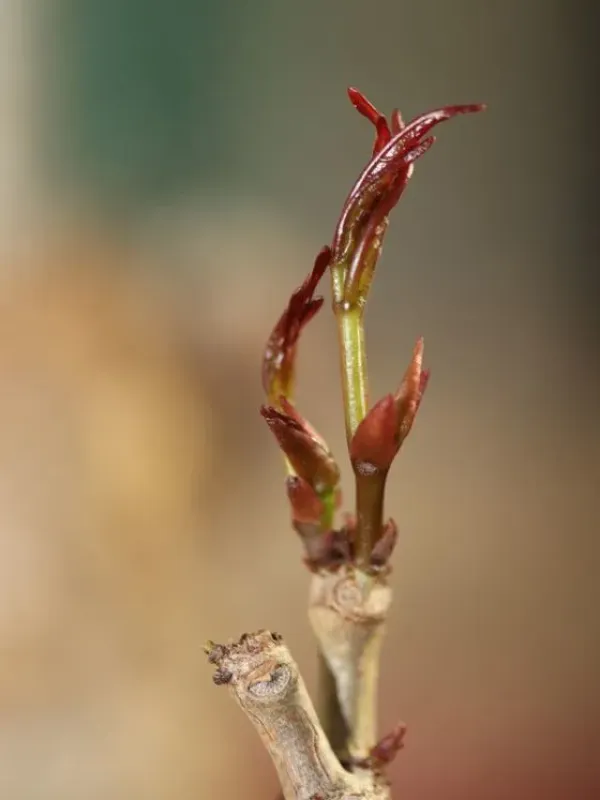
Description
Sowing dates
Propagation of Cyphostemma pachypus is primarily achieved through seeds, which require warmth and a well-draining medium to germinate. Seeds should be scarified and sown in a sandy, sterile substrate at temperatures between 25°C and 30°C.
The best time for sowing is during the spring season to provide sufficient light and warmth for the emerging seedlings. Germination is often slow and requires consistent moisture without waterlogging.
Cuttings are another viable method, though they require significant patience and care. Stems must be dried for several days until a callus forms to prevent rotting when placed in the rooting medium.
Once roots are established, the young plant should be gradually acclimated to its permanent pot. Minimal disturbance of the root system is essential for long-term health and growth stability.
During the initial growth phase, seedlings should receive bright, filtered light to prevent elongation. As the plant matures, it can handle more direct sunlight, which is necessary for thickening the caudex.
Growing requirements
Cyphostemma pachypus is a member of the Vitaceae family, native to the arid environments of Namibia. It is highly valued as a caudex plant for its dramatic, swollen stem and intricate foliage.
The species requires a climate with high temperatures and low humidity, reflecting its natural habitat. During winter, it enters dormancy and should be kept dry at temperatures above 12°C to prevent cold damage.
Soil requirements focus on extreme porosity; the mix should consist primarily of grit, pumice, and coarse sand. Peat-based soils should be avoided as they retain too much water for this succulent.
Watering must be strictly managed, occurring only during the active growing season. The plant should be allowed to dry out completely between waterings, and the caudex should be monitored for signs of thirst.
Proper air circulation is crucial to mimic the breezy desert environment. Good ventilation prevents the accumulation of humidity, which can lead to fungal issues and stunted growth.
Main diseases and pests
The most significant threat to the plant is fungal root rot caused by poor soil drainage or excessive irrigation. Once the base of the caudex starts to soften, the damage is often irreversible.
Spider mites are common pests that thrive in dry, hot conditions and can quickly defoliate the plant. Regular inspection and wiping of leaves with water can help keep mite populations under control.
Mealybugs are another common threat, often hiding in the crevices of the caudex where they are difficult to spot. Manual removal or application of systemic insecticides is recommended upon detection.
Bacterial soft rot can occur if the plant is wounded and kept in a high-humidity environment. Any signs of discoloration or oozing should be addressed by cutting back to healthy tissue and drying the wound.
Protecting the plant from pests and diseases starts with a correct dormancy cycle. Keeping the plant dry and cool during winter significantly lowers the risk of infestations and infection.