

Reference · Crops
Solanaceae
The Solanaceae (Nightshade) family represents one of the most economically significant plant families in global agriculture. This group includes staple crops such as potatoes, tomatoes, peppers, and eggplants. These plants are characterized by a diverse range of growth forms, spanning from annual herbs to woody shrubs, all playing a vital role in human nutrition.
426
sections
What the section contains
 Nicotiana edwardsonii
Nicotiana edwardsonii
Nicotiana edwardsonii
 Nicotiana excelsior
Nicotiana excelsior
Nicotiana excelsior
 Nicotiana exigua
Nicotiana exigua
Nicotiana exigua
 Nicotiana forgetiana
Nicotiana forgetiana
Nicotiana forgetiana
 Nicotiana fragrans
Nicotiana fragrans
Nicotiana fragrans
 Nicotiana glutinosa
Nicotiana glutinosa
Nicotiana glutinosa
 Nicotiana goodspeedii
Nicotiana goodspeedii
Nicotiana goodspeedii
 Nicotiana gossei
Nicotiana hesperis
Nicotiana hesperis
Nicotiana kawakamii
Nicotiana kawakamii
Nicotiana gossei
Nicotiana gossei
Nicotiana hesperis
Nicotiana hesperis
Nicotiana kawakamii
Nicotiana kawakamii
 Nicotiana knightiana
Nicotiana knightiana
Nicotiana knightiana
 Nicotiana langsdorffii
Nicotiana langsdorffii
Nicotiana langsdorffii
 Nicotiana linearis
Nicotiana linearis
Nicotiana linearis
 Nicotiana longiflora
Nicotiana longiflora
Nicotiana longiflora
 Nicotiana maritima
Nicotiana maritima
Nicotiana maritima
 Nicotiana megalosiphon
Nicotiana megalosiphon
Nicotiana megalosiphon
 Nicotiana miersii
Nicotiana miersii
Nicotiana miersii
 Nicotiana nesophila
Nicotiana nudicaulis
Nicotiana nudicaulis
Nicotiana nesophila
Nicotiana nesophila
Nicotiana nudicaulis
Nicotiana nudicaulis
 Nicotiana occidentalis
Nicotiana occidentalis
Nicotiana occidentalis
 Nicotiana paniculata
Nicotiana paniculata
Nicotiana paniculata
 Nicotiana pauciflora
Nicotiana pauciflora
Nicotiana pauciflora
 Nicotiana petunioides
Nicotiana petunioides
Nicotiana petunioides
 Nicotiana quadrivalvis
Nicotiana raimondii
Nicotiana raimondii
Nicotiana quadrivalvis
Nicotiana quadrivalvis
Nicotiana raimondii
Nicotiana raimondii
 Nicotiana repanda
Nicotiana rosulata
Nicotiana rosulata
Nicotiana repanda
Nicotiana repanda
Nicotiana rosulata
Nicotiana rosulata
 Nicotiana rotundifolia
Nicotiana rotundifolia
Nicotiana rotundifolia
 Nicotiana solanifolia
Nicotiana stocktoni
Nicotiana stocktoni
Nicotiana solanifolia
Nicotiana solanifolia
Nicotiana stocktoni
Nicotiana stocktoni
 Nicotiana thyrsiflora
Nicotiana thyrsiflora
Nicotiana thyrsiflora
 Nicotiana tomentosa
Nicotiana tomentosa
Nicotiana tomentosa
 Nicotiana tomentosiformis
Nicotiana tomentosiformis
Nicotiana tomentosiformis
 Nicotiana trigonophylla
Nicotiana trigonophylla
Nicotiana trigonophylla
 Nicotiana undulata
Nicotiana undulata
Nicotiana undulata
 Nicotiana velutina
Nicotiana velutina
Nicotiana velutina
 Nicotiana wigandioides
Nicotiana wigandioides
Nicotiana wigandioides
 Nierembergia
 Ruiz et Pav.
5 items
Nierembergia
Nierembergia Ruiz et Pav.
5 items
 Nierembergia
5 items
Nierembergia
Nierembergia
5 items
 Night-flowering tobacco
Nicotiana noctiflora
Night-flowering tobacco
Nicotiana noctiflora
 Nolana
 L.
1 item
Nolana
Nolana L.
1 item
 Nolana acuminata
Nolana acuminata
Nolana acuminata
 Nolana prostrata
Normania
Normania
1 item
Nolana prostrata
Nolana prostrata
Normania
Normania
1 item
 Pale wolfberry
Lycium pallidum
Pale wolfberry
Lycium pallidum
 Pantacantha
1 item
Pantacantha
Pantacantha
1 item
 Parascopolia
Parascopolia
Parascopolia
 Pepper
Capsicum L.
8 items
Pepper
Capsicum L.
8 items
 Pepper hybrids
Capsicum hybrids
Pepper hybrids
Capsicum hybrids
 Petunia
 Juss.
4 items
Petunia
Petunia
9 items
Petunia
Petunia Juss.
4 items
Petunia
Petunia
9 items
 Petunia-leaf tobacco
Nicotiana plumbaginifolia
Petunia-leaf tobacco
Nicotiana plumbaginifolia
 Physaliastrum
1 item
Physalis divaricata
Physalis divaricata
Physaliastrum
Physaliastrum
1 item
Physalis divaricata
Physalis divaricata
 Physalis ignota
Physalis ignota
Physalis ignota
 Physalis lagascae
Physalis lagascae
Physalis lagascae
 Physalis macrophysa
Physalis macrophysa
Physalis macrophysa
 Physalis mendocina
Physalis mendocina
Physalis mendocina
 Physalis neesiana
Physalis neesiana
Physalis neesiana
 Physalis nicandroides
Physalis nicandroides
Physalis nicandroides
Marketplace
Products in this section · 12
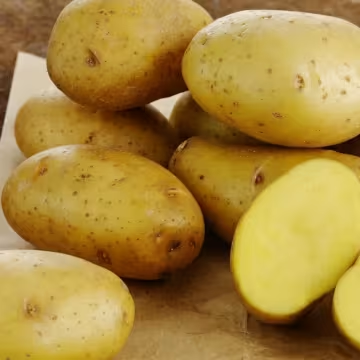
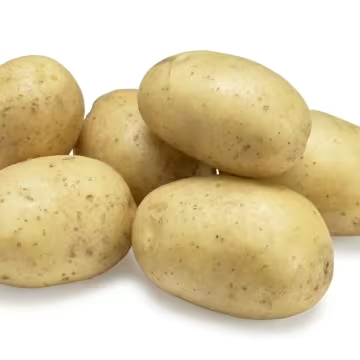
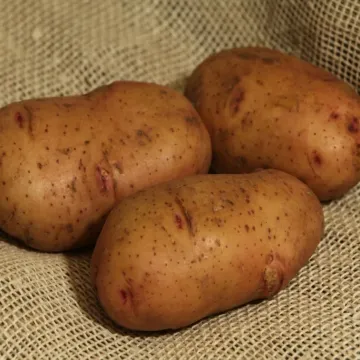

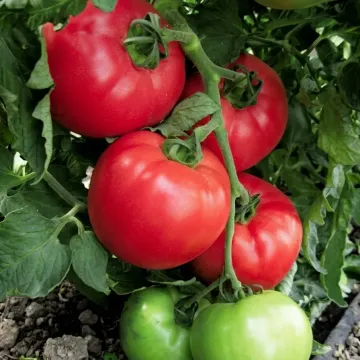
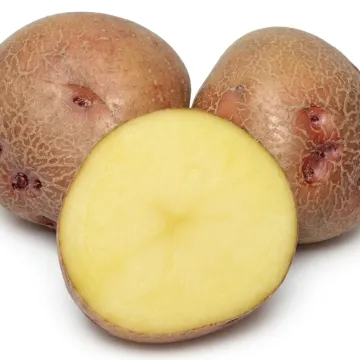

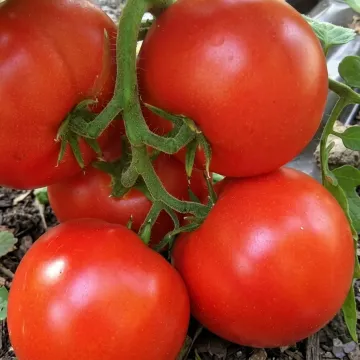
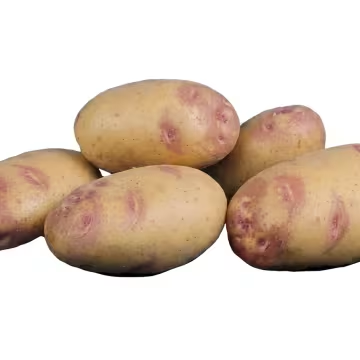
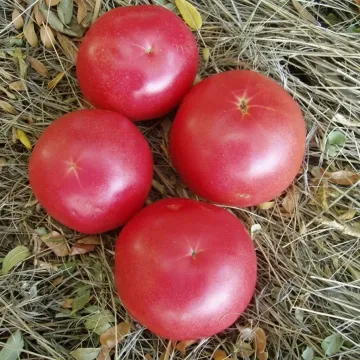

Solanaceae
Originating primarily in the Americas, these crops have been domesticated and distributed worldwide over the past several centuries. They are now cultivated across a wide range of climates, though they are primarily warm-season crops that require frost-free periods to reach full maturity and maximize yields effectively.
Botanically, members of the Solanaceae family are recognized by their alternate leaves and typically five-petaled flowers, which are often star-shaped. The fruit structures vary, ranging from fleshy berries to dry capsules. Agronomically, the presence of specific alkaloids, such as solanine, is a defining trait that influences plant physiology and breeding objectives.
Optimal growth for nightshade crops depends on well-drained, fertile soil with a slightly acidic to neutral pH. They require significant amounts of sunlight and consistent moisture levels throughout the growing season. Proper site selection and crop rotation are essential practices to manage soil health and prevent the buildup of soil-borne pathogens that thrive on these specific hosts.
In industrial and small-scale farming, management of diseases like late blight and pests such as the Colorado potato beetle is critical. Farmers employ a combination of cultural practices, biological controls, and chemical applications to protect their yields. Continuous research in breeding resistant varieties remains the primary strategy for ensuring sustainable production within this valuable family.
- Requires intensive nutrient management for optimal fruit set.
- High sensitivity to extreme heat and prolonged cold spells.
- Strategic use of trellis systems for vining varieties like tomatoes.