
Nicotiana velutina
Nicotiana velutina
Description
Growing requirements
Nicotiana velutina is an herbaceous plant belonging to the Solanaceae family, naturally occurring in the arid regions of Australia. The crop is typically an annual or a short-lived perennial, specifically adapted to survive in extreme heat and drought conditions.
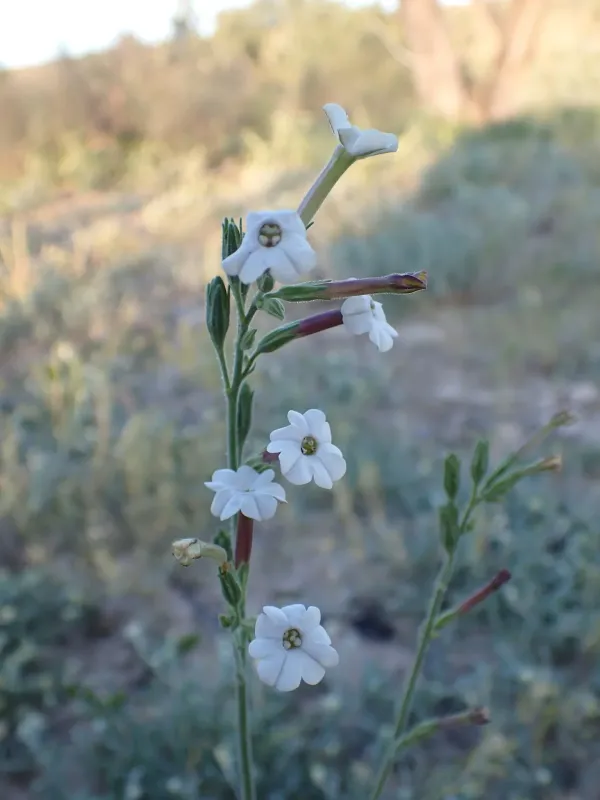
The plant is characterized by soft, velvety pubescence on its leaves and stems, which gives the species its scientific name. It produces elongated leaves and tubular flowers that are usually white or pale pink, emitting a characteristic sweet scent that intensifies during the evening hours.
For optimal development, this species requires well-drained sandy or loamy soils with low organic matter content. The plant is extremely sensitive to waterlogging in the root zone, making efficient drainage a critical requirement for successful cultivation in non-native environments.
Climatic preferences include intense sunlight and high daytime temperatures. In temperate zones, cultivation is only feasible in greenhouses or as a seasonal decorative annual, as the species cannot survive freezing temperatures or high atmospheric humidity.
The economic value of this species is currently limited, as it is rarely utilized in commercial agriculture. However, it serves as a valuable resource for research institutes focusing on plant genetics and the study of drought-resistant flora native to the Australian interior.
Main diseases and pests
Typical threats for members of the Nicotiana genus, including N. velutina, include viral diseases such as Tobacco Mosaic Virus, which can severely damage plant tissues if sanitation protocols are neglected.
In greenhouse settings, the crop is susceptible to infestations by aphids, spider mites, and whiteflies. These pests consume sap from the soft, hairy leaves and frequently act as vectors for various plant pathogens.
Fungal infections, such as root rot, develop rapidly when irrigation regimes are managed poorly. Stagnant water triggers the breakdown of the root system, making the prevention of over-irrigation a fundamental pillar of proper agrotechnical management.
Pest control is complicated by the dense pubescence on the foliage, which traps protective sprays but prevents even coverage of the leaf surface when applying systemic insecticides.
Phytosanitary monitoring of plots must include regular tool disinfection and the exclusive use of high-quality, disease-free seed material to minimize the risk of infection outbreaks within the plant population.