
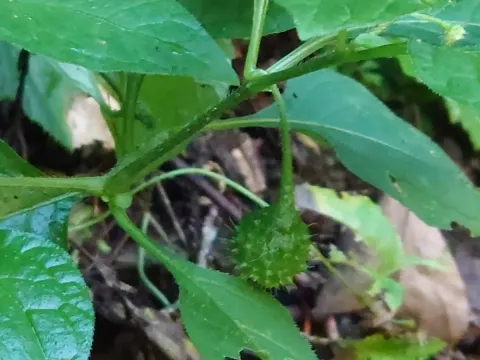
Physaliastrum
Physaliastrum
Physaliastrum seeds are best started indoors in trays before the final frost. Sowing in late winter or early spring ensures that the seedlings have enough time to establish before being moved to the field.
What the section contains

Physaliastrum
Use a well-draining, nutrient-rich potting mix for sowing. Seeds should be lightly covered with soil, as they require consistent moisture and darkness to germinate effectively in the early stages.
Maintain an ambient temperature of approximately 20–22 degrees Celsius. Germination typically occurs within two to three weeks depending on the freshness of the seed and environmental stability.
Transplanting the seedlings into individual pots is necessary once the first set of true leaves develops. This step promotes stronger root development and prevents competition for space.
Hardening off the seedlings is a crucial step before field planting. Gradually expose the plants to outdoor conditions over a ten-day period to prevent transplant shock and potential damage from sunlight.
Physaliastrum belongs to the Solanaceae (Nightshade) family. As a member of this diverse group, it requires similar ecological conditions to crops like tomatoes, peppers, and husk cherries.
The plant thrives in fertile, loamy soil with a neutral pH. Adequate drainage is essential, as the species is highly susceptible to root damage in waterlogged or heavy, compacted soil conditions.
Consistent irrigation is vital throughout the growing cycle, particularly during the flowering and fruit-setting phases. Avoid overhead watering to reduce the risk of foliage diseases.
Balanced fertilization is key to yield success. Applying organic matter during the soil preparation phase and supplementing with phosphorous-rich fertilizers during budding helps improve fruit quality.
Physaliastrum prefers full sun but benefits from protection during extreme heat waves. Providing sufficient spacing between plants ensures proper airflow, which is critical for reducing humidity levels.
Common pests associated with this crop include Colorado potato beetles, aphids, and spider mites. Regular scouting and monitoring are necessary to detect early-stage infestations.
Fungal diseases like late blight and early blight pose significant threats to the foliage and fruits. These are exacerbated by high humidity and prolonged rainfall during the growing season.
Implementing a proper crop rotation schedule helps minimize soil-borne pathogens. Avoid planting Physaliastrum in areas where other Nightshade crops have been grown recently.
Sanitation practices, such as removing fallen leaves and crop residues, play an essential role in preventing the overwintering of pests and diseases in the garden or field.
- Colorado potato beetle
- Aphids
- Late blight
- Powdery mildew
The harvest of Physaliastrum typically begins when the calyxes—the papery husks surrounding the fruit—begin to dry out and take on a characteristic brown or straw color.
Manual harvesting is recommended to ensure that the delicate fruits are not damaged during collection. Handle the plants gently to avoid knocking off flowers that may still be producing.
Post-harvest handling involves sorting and storing the fruit in well-ventilated crates. If the fruits are harvested slightly under-ripe, they can finish maturing in a cool, dry place.
The industrial use of Physaliastrum extends to nutritional and pharmacological applications, as its fruit contains unique secondary metabolites valued in various modern studies.
Proper field cleanup is the final step in the harvest process. Removing all plant debris effectively reduces the buildup of inoculum for future planting seasons on the same site.