
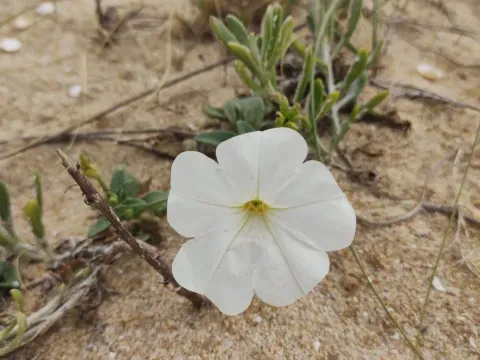
Petunia
Petunia Juss.
Petunia (Petunia Juss.) is a herbaceous perennial belonging to the Solanaceae family, widely cultivated globally as an annual ornamental crop. Its popularity stems from its long blooming season and extreme versatility.
What the section contains


Petunia
Seeds are tiny and require surface sowing on moist, fine-textured substrate without covering. They need plenty of light and consistent temperatures between +22 °C and +25 °C for successful germination under greenhouse conditions.
Seedling development requires significant artificial lighting to prevent the stems from becoming thin and leggy. Proper ventilation is essential during this stage to avoid damping-off diseases that frequently affect young sprouts.
Transplanting takes place after the danger of frost has completely passed. Before permanent planting, seedlings should be hardened off to adapt to outdoor conditions, wind, and solar radiation.
Spacing should be carefully planned based on the variety, as some types are spreading (trailing) and require more space, while others are upright and can be planted closer together.
Petunias are highly photophilic plants that thrive in full sun. While they can tolerate partial shade, their flowering density and overall plant vigor are significantly reduced without adequate light exposure.
The ideal soil is fertile, well-draining, and slightly acidic. Good drainage is critical for petunias, as their root systems are sensitive to waterlogging, which often leads to root rot and other physiological disorders.
Regular irrigation is vital, particularly for container-grown plants. During peak summer heat, daily watering may be necessary, provided that the growing media is porous enough to prevent stagnant water.
Fertilization is a key component of petunia agronomy. A balanced NPK fertilizer with a higher potassium ratio is recommended to encourage continuous flower production throughout the season.
Maintenance tasks include the regular removal of dead blossoms, also known as deadheading. This practice prevents the formation of seed pods, redirecting the plant's energy towards producing new, vibrant flowers.
Common insect pests affecting petunias include aphids, spider mites, and whiteflies. These pests often congregate on the undersides of leaves, causing structural damage and spreading viral infections.
Fungal diseases, such as powdery mildew and botrytis blight, represent the greatest threat to plant health in humid or poorly ventilated environments. Proper spacing is the best preventative measure against these infections.
Nutrient deficiency, specifically iron chlorosis, is a frequent issue in high pH soils, preventing the plant from absorbing micro-nutrients. Applying chelated iron usually corrects this problem quickly.
Root rot is typically caused by overwatering or insufficient drainage in pots. Once symptoms like wilting and browning of the base occur, the plant is often difficult to save, making prevention essential.
Effective pest and disease management involves a combination of cultural practices, such as proper watering techniques, and the strategic application of fungicides and insecticides as needed.