
Petunia-leaf tobacco
Nicotiana plumbaginifolia
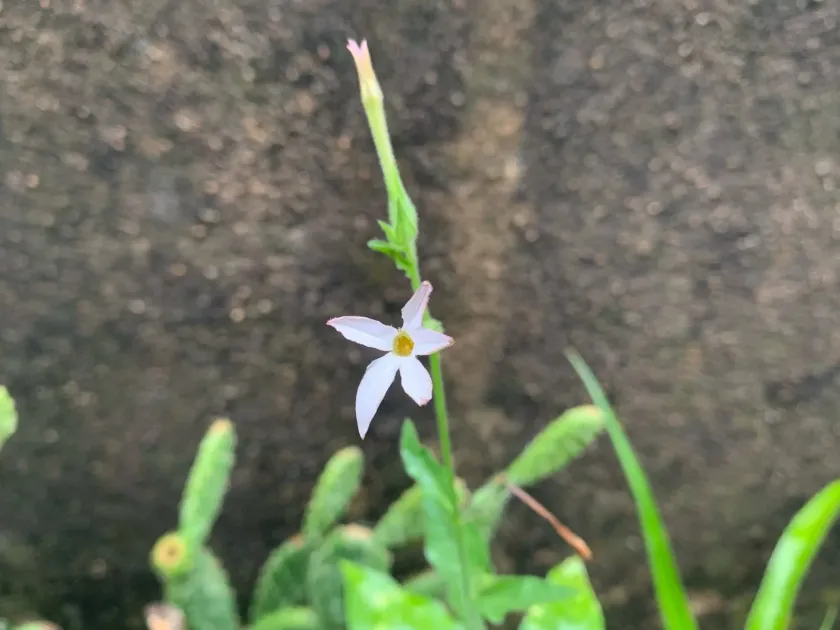
Description
Sowing dates
Sowing Petunia-leaf tobacco seeds typically begins in late winter or early spring. Due to their tiny size, seeds are surface-sown on a moist substrate and pressed lightly to maintain contact without covering them, as they require light for germination.
The containers must be covered with glass or a transparent film to maintain high humidity levels. A consistent temperature of approximately 22–25 degrees Celsius is essential for successful and uniform germination.
Pricking out the seedlings occurs when the first pair of true leaves appears. Given the delicate nature of the root system, extreme care should be taken to avoid damaging the roots during this transition.
Transplanting into open ground takes place after the last frost date, usually in late May. Ensuring the soil has warmed up sufficiently is vital for the plant to establish itself in its new environment.
A spacing of 30–40 centimeters between plants is recommended to promote good air circulation, which helps prevent the development of various fungal pathogens during the growing season.
Growing requirements
Petunia-leaf tobacco belongs to the Solanaceae family and is a heat-loving, sun-seeking plant. It thrives best in locations receiving full sun throughout the day, which encourages vigorous growth and abundant flowering.
The soil should be fertile, light, and well-drained. The plant is sensitive to waterlogged conditions, so incorporating organic matter into sandy or loamy soils is beneficial for maintaining a neutral pH balance.
Regular but moderate watering is required to maintain soil moisture without causing saturation. Avoid overhead watering to reduce the risk of leaf diseases and keep the foliage dry whenever possible.
Applying a balanced mineral fertilizer during the vegetative growth phase helps the plant produce more blossoms. Phosphorus and potassium are particularly important once the plant starts its blooming cycle.
The plant demonstrates a strong adaptation to temperate climates as an annual, though growth may slow significantly if cold spells occur early in the season, necessitating a well-chosen planting site.
Main diseases and pests
Aphids and thrips are the most common pests affecting this crop. These insects suck sap from the tender leaves and are particularly active during warm, dry weather conditions throughout the summer.
Tobacco mosaic virus is a significant threat, often transmitted by insect vectors or contaminated tools. Rigid sanitation practices, including removing infected plants, are essential to control the spread.
Powdery mildew often appears as a white coating on leaves when air circulation is poor or humidity levels fluctuate. Fungicides or organic treatments like sulfur-based sprays are effective for management.
Root rot, caused by overwatering or compacted soil, can devastate the plants. Ensuring proper soil aeration and avoiding excess moisture in the rhizosphere are the best preventive measures.
Spider mites can also be problematic, especially in hot, dry conditions. Regular monitoring of the undersides of leaves helps in detecting early infestations before they cause severe leaf drop.
Harvesting
Seed harvesting is performed once the seed pods turn brown and dry on the stem. This should ideally be done on a dry day to prevent mold from developing during the drying process.
The gathered pods are left to dry further in a shaded, well-ventilated area. Once fully dried, the pods are cracked open to extract the tiny seeds, which are then cleaned of debris and stored.
For ornamental purposes, flowers can be harvested at peak bloom for drying. Hanging them upside down in a dark, airy place helps maintain their color and structure for floral displays.
While the leaves are not used for industrial tobacco production, the entire plant adds a unique aesthetic value to garden borders and container arrangements throughout the growing season.
Stored seeds retain their viability for several years if kept in cool, dry conditions within paper envelopes or airtight containers, ensuring a supply for the next gardening season.