
Nicotiana undulata
Nicotiana undulata
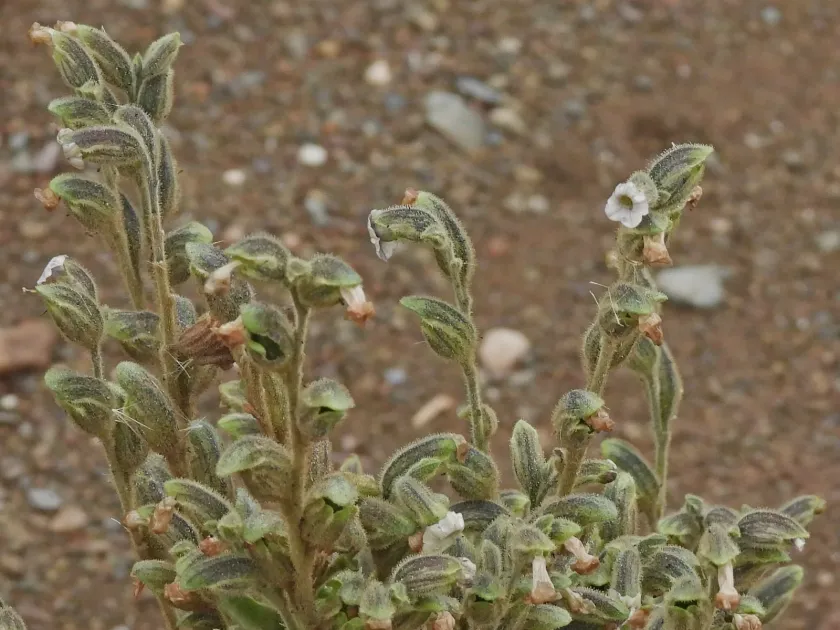
Description
Sowing dates
The sowing of this culture requires specific conditions, as the seeds are extremely small. The optimal time to begin cultivation is early spring, once soil temperatures stabilize around 18–22 degrees Celsius.
For industrial or research purposes, a transplant method is recommended. This approach allows for better monitoring of seedling development at early stages and minimizes losses from unfavorable weather conditions at the start of the vegetation period.
Seeds are sown on the surface of a light, well-draining substrate without deep burial. Maintaining stable humidity is critical for successful germination, so seed trays should be covered with glass or film until the first sprouts appear.
Seedling thinning and repotting should be carried out after the second pair of true leaves has formed. The plant is sensitive to root system disturbance, so the use of peat pots significantly improves survival rates when transplanting into the ground.
Transplanting to a permanent location is conducted only after the threat of late frosts has passed. Row spacing should be at least 50–60 centimeters to ensure adequate air circulation between plants.
Growing requirements
Nicotiana undulata, a member of the Solanaceae family, has high sunlight requirements. The crop prefers open, well-lit areas protected from strong winds, which can damage the large leaves of the plant.
The soil should be loose with a neutral or slightly acidic pH. Heavy clay soils are strictly unsuitable, as moisture retention in the root zone leads to the development of fungal infections and root system collapse.
During the active growth phase, the crop requires regular irrigation, though waterlogging is detrimental. Drip irrigation is the ideal method, allowing precise water delivery directly to the root zone.
Mineral nutrition requirements include a higher content of phosphorus and potassium in the soil. Nitrogen fertilizers should be used cautiously at early stages to prevent excessive vegetative growth at the expense of root development.
Thermal conditions are a determining factor for productivity. The plant struggles with sharp temperature fluctuations and requires a mild climate with long daylight hours to complete its full growth cycle.
Main diseases and pests
Sucking pests, particularly tobacco aphids and whiteflies, pose a primary threat to this crop. They not only exhaust the plant by extracting sap but also act as vectors for dangerous viral diseases.
Fungal diseases such as powdery mildew and root rot often develop due to poor ventilation and excessive soil moisture. Prevention consists of crop rotation and applying fungicides during periods of high humidity.
Tobacco mosaic virus is a systemic disease that is difficult to manage. If symptoms appear, infected plants must be removed and destroyed immediately to prevent the pathogen from spreading to neighboring vegetation.
Thrips can damage young leaves, causing deformation and stunted growth. Insecticide treatment is performed when the pest threshold is reached, in accordance with plant protection product regulations.
To reduce the risk of pest infestation, it is recommended to use soil mulching and prevent weed overgrowth around plantations, as these plants often serve as reservoirs for various insect pests.