
Nicotiana occidentalis
Nicotiana occidentalis
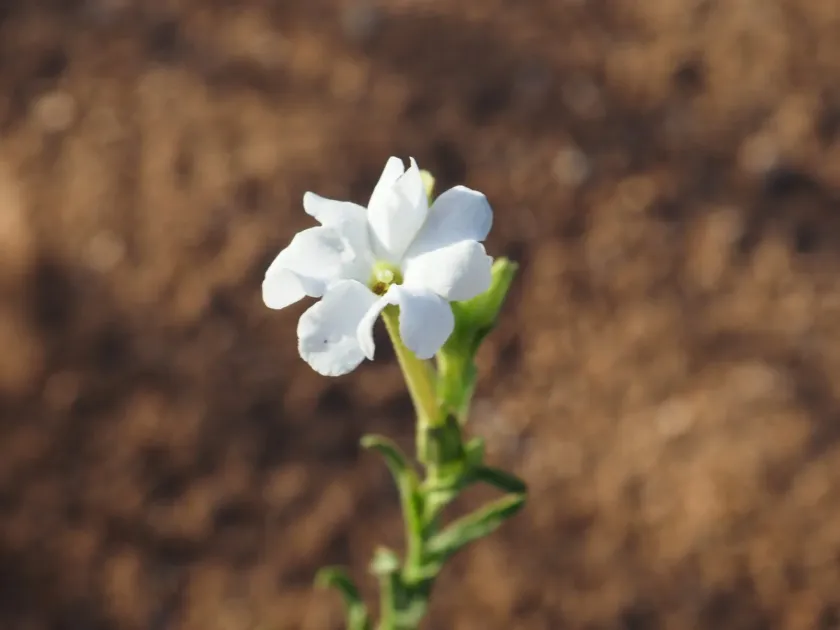
Description
Sowing dates
Nicotiana occidentalis, a species of wild tobacco, is naturally programmed to germinate following significant rainfall events in its native arid Australian habitat. For cultivation, seeding should be timed to match the onset of warm, stable weather conditions.
The seeds are exceptionally small and require a surface sowing method. They should be scattered over a fine, well-draining seed-starting mix and pressed gently into the substrate without covering them, as light is often a trigger for germination.
Consistent moisture must be maintained throughout the germination phase, typically lasting 10 to 14 days. Using a light misting system ensures the tiny seeds are not displaced or buried too deep by heavy watering.
In a controlled environment, trays should be placed in a bright, warm location to encourage rapid development of the seedlings. Once the plants reach a height of 5-10 cm, they can be hardened off before being transplanted to their permanent site.
Space the plants approximately 45 cm apart to ensure adequate airflow and room for the mature plants to spread. This spacing is vital for preventing humidity-related issues in the dense foliage of the plant as it approaches the flowering stage.
Growing requirements
This species is highly adapted to high-light environments and thrives in full sun. Exposure to direct sunlight is essential for the development of healthy, robust leaves and the production of fertile blossoms throughout the vegetative cycle.
Soil requirements for Nicotiana occidentalis include excellent drainage and a loose, aerated texture. Sandy or loam-based soils with a neutral pH are ideal, as they prevent waterlogging, which the species is particularly sensitive to.
Temperature optimization is critical, with the preferred range falling between 20°C and 30°C. While the plant can tolerate heat, sustained temperatures above 35°C may lead to stress unless the root zone is sufficiently shaded and hydrated.
Watering practices should be moderate. The plant possesses some degree of drought tolerance once established, making it a low-maintenance option for xeriscaping or dry-climate horticulture compared to other commercial tobacco species.
Nutrient management focuses on long-term soil health rather than high-intensity fertilization. A balanced, slow-release fertilizer applied during the early growth stage is sufficient to support the plant's metabolic needs without causing spindly, over-stimulated growth.
Main diseases and pests
Pest management for Nicotiana occidentalis focuses primarily on sap-sucking insects. Aphids are the most frequent visitors, often clustering on the tender new growth at the top of the stem and causing stunted development.
Spider mites represent a significant threat during periods of extreme heat and low humidity. Regular inspection of the underside of leaves is necessary to detect early signs of infestation, such as fine webbing or pale, mottled leaf tissue.
Root rot is the most serious pathological threat to this plant. It is primarily caused by poor drainage or overwatering, which creates an anaerobic environment suitable for the proliferation of water-borne fungal pathogens.
Viral diseases, particularly those affecting the Solanaceae family, can occur if insect vectors are present in the area. Maintaining good garden hygiene and removing weeds that could serve as alternative hosts is the best line of defense against widespread infection.
- Aphids (Aphidoidea)
- Spider mites (Tetranychidae)
- Pythium root rot
- Tobacco Mosaic Virus (TMV)