
Nicotiana glutinosa
Nicotiana glutinosa
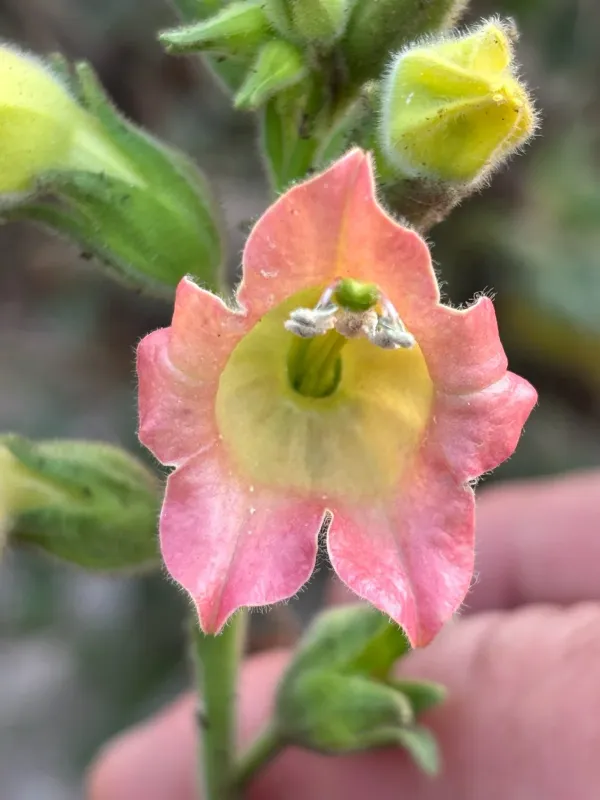
Description
Sowing dates
Sowing of Nicotiana glutinosa seeds is typically conducted in greenhouses during early spring, as the plant requires increasing daylight hours for optimal germination.
The seeds are extremely small; therefore, they should be surface-sown and covered with only a very thin layer of substrate or sand to ensure light access.
Maintaining a constant temperature range of 22–25 degrees Celsius and high humidity is crucial to speed up the emergence of the seedlings.
Once true leaves appear, seedlings must be transplanted into individual pots to encourage the development of a robust root system before final planting.
Hardening off the seedlings is a mandatory step that helps the plants acclimate to outdoor conditions, including fluctuating temperatures and direct sun.
Growing requirements
Nicotiana glutinosa, a member of the Solanaceae family, originates from the mountainous regions of South America, specifically in Peru and Chile.
The crop demands high light intensity and performs best in open, sun-exposed areas that are shielded from heavy winds and adverse weather conditions.
Soil must be nutrient-rich, well-draining, and have a pH level ranging from neutral to slightly acidic to facilitate efficient nutrient uptake.
Moderate but consistent irrigation is required; waterlogging should be strictly avoided to prevent the onset of fungal root infections.
During the peak vegetative stage, the application of balanced mineral fertilizers, particularly those rich in nitrogen and potassium, boosts overall vigor.
Main diseases and pests
Common pests like aphids and thrips are the primary threat to the crop, as they frequently act as vectors for various plant viral diseases.
The species is globally recognized in plant pathology for its extreme sensitivity to the Tobacco Mosaic Virus (TMV), serving as a standard test plant.
Root rot caused by soil-borne pathogens like Phytophthora is common in sites with poor drainage or over-irrigation during the growing season.
Effective crop rotation is essential to prevent soil pathogen accumulation; avoid planting where tomatoes, peppers, or potatoes were previously grown.
Regular monitoring of foliage and immediate removal of symptomatic plants help maintain plantation health, alongside the careful use of phytosanitary measures.