
Nicotiana quadrivalvis
Nicotiana quadrivalvis
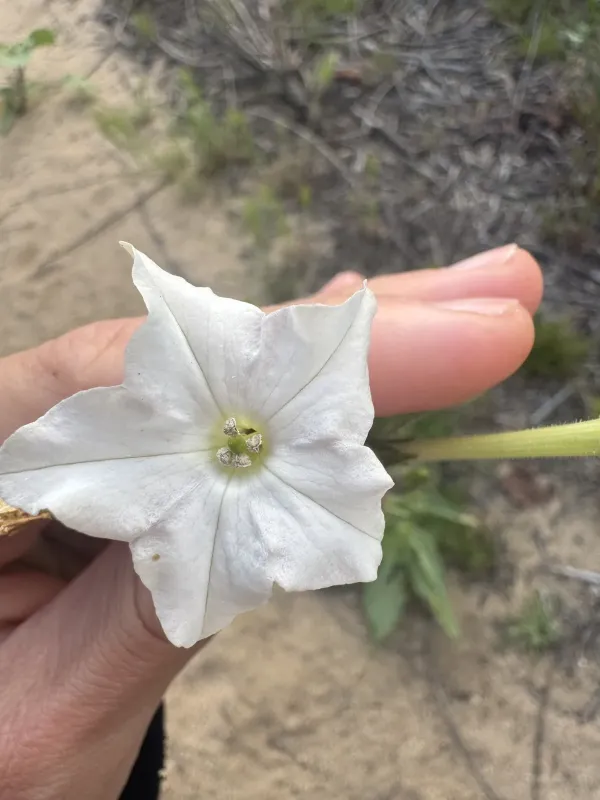
Description
Sowing dates
Sowing of this crop is typically performed in the spring once soil temperatures reach 12–15 degrees Celsius. It is crucial to ensure that the risk of frost has passed, as young seedlings are extremely sensitive to low temperatures.
To accelerate the vegetative cycle, transplanting methods are frequently used, where seeds are sown in a protected environment 40–50 days before field transplanting. This allows the plant to develop a robust root system before the onset of summer heat.
Planting patterns should account for the vigorous growth of the bush, with row spacing ideally set between 60–70 centimeters. Maintaining a distance of 30–40 centimeters between individual plants ensures adequate air circulation.
Seed burial depth must be minimal, as the seeds are small and require light for optimal germination. Seeds are usually distributed on moist soil and lightly covered with a thin layer of compost or fine soil.
Post-sowing irrigation should be light and gentle, such as spraying, to prevent the displacement of small seeds and the formation of a soil crust that might impede emergence.
Growing requirements
Nicotiana quadrivalvis belongs to the Solanaceae family and is an annual herbaceous plant with an upright stem. Historically, this species was widely cultivated by Indigenous peoples of North America as a valuable agricultural resource.
The crop thrives in well-drained, fertile loamy or sandy loam soils with a neutral pH level. A high content of organic matter in the soil is essential for the optimal development of the wide leaf blades.
Being a heat-loving and sun-loving plant, it performs best in locations with maximum solar exposure. Insufficient light often leads to stem elongation and a significant reduction in the accumulation of specific alkaloids within the leaves.
Stable, moderate moisture levels are required throughout the growing season. Excessive water or poorly drained soil can become a critical factor leading to the onset of rot and stunted growth.
Nitrogen fertilization must be balanced; an excess of nitrogen can stimulate excessive vegetative growth at the expense of leaf quality, which is vital for the intended use of the harvest.
Yield
Crop yields depend heavily on management practices and soil conditions. With intensive care, this species can generate a substantial amount of biomass suitable for further processing.
Leaf mass accumulates most intensely during the active flowering phase, which serves as a biological indicator for planning the harvest. Total yield potential is also influenced by the genetic traits of specific ecotypes.
To improve output, growers often practice pruning lateral shoots, which redirects nutrients toward the primary leaves. This practice significantly enhances the density and overall market quality of the collected harvest.
Harvesting is typically done in stages, targeting lower leaf tiers that mature earlier than the upper ones. Timely harvesting prevents potential losses due to over-ripening or yellowing of the leaves.
Final yield figures are determined by the weight of dried and fermented material, necessitating strict environmental control during the storage and curing phases of the production cycle.
Main diseases and pests
The crop is susceptible to common Solanaceae diseases, such as powdery mildew and various leaf spots, which proliferate under high-humidity conditions. Prevention involves crop rotation and proper plant spacing.
Primary pests include aphids, spider mites, and thrips, which damage leaf tissues and act as vectors for viral diseases. These infections can lead to severe deformation and stunted plant growth.
Root rot becomes a significant risk in heavy, waterlogged soils. Mitigation involves improving field drainage and adjusting irrigation schedules during periods of cool or rainy weather.
Slugs and snails can cause substantial damage to young plants, often destroying tender leaves overnight. Mulching with dry materials and keeping the field free of weed hosts can help suppress these populations.
Weekly monitoring of the fields is essential to detect pest outbreaks at early stages, allowing for precise control and minimizing the need for broad-spectrum chemical pesticides.
Harvesting
Harvesting commences upon visual inspection of maturity, indicated by the leaf color shifting from dark green to a lighter or yellowish hue. Care must be taken during the manual harvest to avoid damaging the brittle stalks.
The harvesting technology involves sequential picking of leaves, which maximizes the utilization of the plant's life cycle. The collected leaves should be transferred to a primary sorting area immediately.
An essential post-harvest stage is the "wilting" or curing process, where chlorophyll breaks down and aromatic compounds accumulate. This phase is critical for defining the final quality characteristics of the product.
Drying is conducted in well-ventilated structures protected from direct sunlight. Maintaining the correct humidity allows the leaves to retain their structural integrity and elasticity without becoming brittle.
After drying, the product undergoes final sorting based on size and quality before being baled for long-term storage or shipment to industrial processing facilities.