
Nicotiana forgetiana
Nicotiana forgetiana
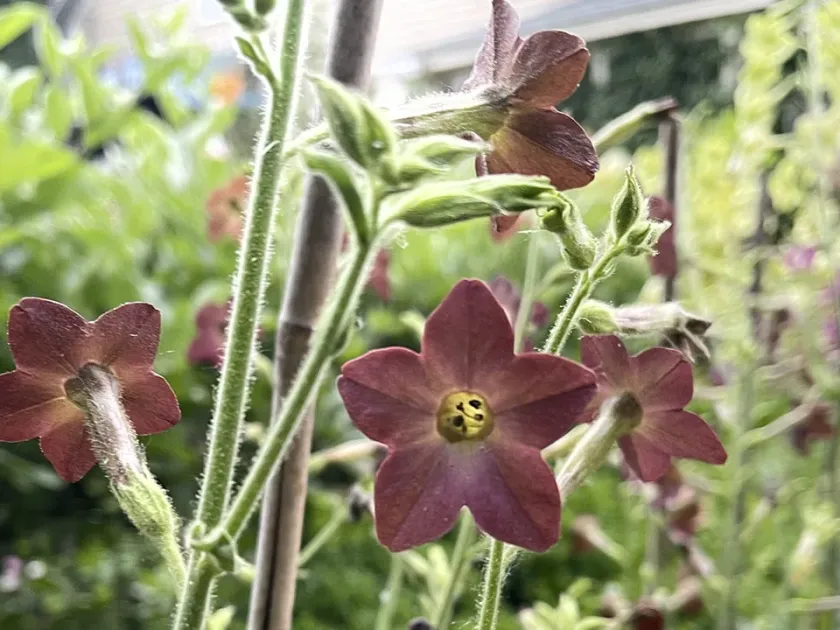
Description
Sowing dates
Nicotiana forgetiana is a heat-loving ornamental species, and in temperate climates, seeds should be sown indoors between late March and early April.
The seeds are extremely fine; therefore, they should be surface-sown on moist, well-draining potting soil without covering them, as they require light to germinate.
Maintaining a stable temperature of 20–22 degrees Celsius is crucial during the germination process, which typically takes about two to three weeks.
Pricking out the seedlings into individual pots is recommended once the first true leaves appear to ensure sufficient development for the young plants.
Hardening off the seedlings is an essential step before transplanting them into the open ground, which should only occur after the last spring frost has passed.
Growing requirements
This species thrives best in full sun but demonstrates good adaptability to light shade, where it continues to produce its characteristic carmine flowers.
Regarding soil conditions, Nicotiana forgetiana requires fertile, loose, and well-drained soil to support its vigorous vegetative growth throughout the summer.
Regular irrigation is vital during the growing season; although the plants need consistent moisture, they are sensitive to waterlogged soil which can cause rot.
Providing a balanced liquid fertilizer every two weeks will promote more profuse flowering and maintain the plant's overall health and aesthetic appeal.
As a member of the Solanaceae family, it is important to ensure adequate air circulation around the plants to prevent the accumulation of moisture on the foliage.
Main diseases and pests
Aphids are the most common pests affecting this plant, often clustering on stems and flower buds, causing stunted growth and potential viral transmissions.
Spider mites can become problematic during hot and dry weather conditions, manifesting as tiny yellow spots on leaves followed by delicate webbing.
Damping-off, or black leg, poses a significant threat to young seedlings if growing conditions are too humid or if the ventilation is insufficient.
Powdery mildew may appear on the foliage as a white, dusty layer, especially in environments with high humidity and poor light penetration.
Effective management strategies include early detection of pests, the use of targeted insecticides, and ensuring proper spacing between plants to improve airflow.