
Nicotiana excelsior
Nicotiana excelsior
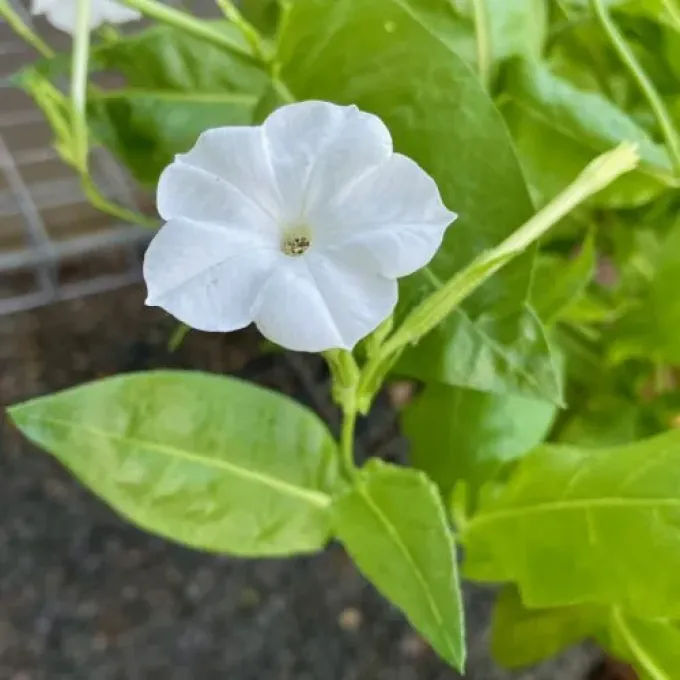
Description
Sowing dates
The sowing of Nicotiana excelsior seeds is typically executed in controlled greenhouse environments to ensure high germination rates and robust seedling development.
It is recommended to begin sowing in late winter or early spring, ensuring that the seedlings have enough time to establish before being transplanted into the soil.
The seeds are notably small, necessitating a shallow sowing technique where they are simply pressed into the surface of a fine, moist potting medium.
Maintaining a temperature range between +22 °C and +25 °C is essential for breaking dormancy and encouraging the emergence of the primary root system within the first weeks.
Once the seedlings reach a stage with several true leaves, they should be transplanted into individual cells to prevent root entanglement and promote steady vegetative growth.
Growing requirements
Belonging to the Solanaceae family, this crop thrives in locations that receive full sun exposure, as sufficient light is vital for its physiological development.
It prefers well-draining, nutrient-rich soils that possess a neutral or slightly acidic pH, which helps facilitate the efficient uptake of essential macronutrients.
Regular irrigation is necessary to maintain consistent soil moisture, though overwatering must be strictly avoided to prevent the onset of anaerobic conditions.
Soil aeration is a critical component of the cultivation cycle, necessitating periodic mechanical loosening of the topsoil around the base of the plant.
Balanced fertilization during the active growth phase, focusing on phosphorus and potassium, will support both the vegetative structure and the subsequent blooming stages.
Main diseases and pests
Powdery mildew represents a significant fungal threat, especially in environments with high humidity levels and poor airflow, necessitating proactive management.
Root rot, often caused by pathogenic soil fungi, is a common issue when irrigation schedules do not account for soil drainage capacities or temperature shifts.
Aphids frequently target the succulent parts of the plant, including stems and undersides of leaves, which can lead to viral transmission if left unchecked.
Thrips pose a persistent challenge, as they damage the epidermis of leaves, resulting in stunted plant growth and reduced overall health of the crop.
Implementation of integrated pest management strategies, such as biological control agents and site sanitation, is essential for maintaining a healthy and productive crop.