
Nicotiana gossei
Nicotiana gossei
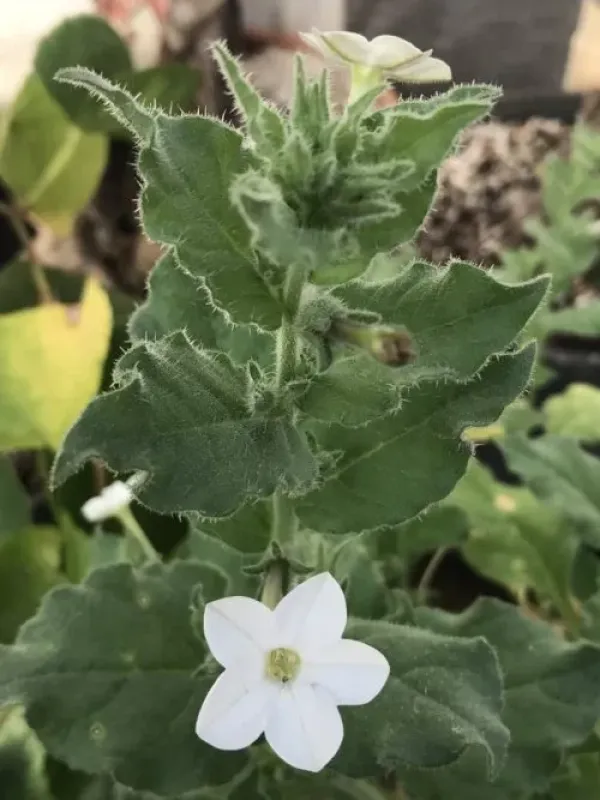
Description
Sowing dates
Nicotiana gossei is a herbaceous perennial species within the Solanaceae family, known for its unique botanical profile. Sowing typically begins with surface-level placement of seeds due to their tiny structure, ensuring they are not buried too deeply to maintain access to light.
For successful establishment, a seedling-based approach is recommended, utilizing greenhouse conditions to control environmental variables during the sensitive early germination stage. Consistent moisture levels are vital for initial development.
Transplanting into open fields should only occur after the risk of frost has completely passed. The plant thrives when spaced properly, allowing for adequate air circulation to prevent microclimate issues that could hinder growth.
The preparation of the seedbed is essential, requiring a well-tilled, friable soil structure. Ensuring uniform moisture distribution during the first weeks post-transplanting significantly improves the survival rate and crop uniformity.
Proper timing of planting, aligned with the regional frost-free period, is the foundation for a productive cycle. Early establishment allows the plant to develop a robust root system capable of navigating later heat stress.
Growing requirements
The crop requires full sun exposure to thrive, as shade significantly limits the development of its characteristic leaves and biological potential. Open, unobstructed sites are mandatory for maximum growth efficiency.
Nicotiana gossei prefers well-drained, sandy-loam soils. While the species is adapted to nutrient-poor soils in its native habitat, agricultural performance is enhanced by balanced nutrient management that avoids excessive nitrogen levels.
Water requirements are moderate. The species possesses natural resilience to drought, but for agricultural use, supplemental irrigation during peak growth phases ensures better biomass accumulation and crop quality.
A stable temperature range is ideal, as extreme fluctuations can trigger stress responses. The plant flourishes in warm climates where prolonged sunlight duration supports steady metabolic processes throughout the season.
Soil pH should ideally be maintained in the neutral to slightly acidic range to facilitate optimal nutrient uptake. Regular soil testing is recommended to adjust fertilization strategies based on specific local soil profiles.
Main diseases and pests
A defining characteristic of Nicotiana gossei is its inherent resistance to various insect pests, which makes it a subject of great interest for agricultural research and breeding programs aimed at increasing crop resilience.
Despite this resistance, the crop remains susceptible to root pathogens if environmental conditions, specifically drainage, are poorly managed. Excessive standing water is the primary catalyst for root-related issues.
Viral infections transmitted by aphid vectors remain a potential concern for large-scale production. Effective management includes diligent weed control, as surrounding vegetation often acts as a reservoir for these vectors.
Fungal issues, such as powdery mildew, may manifest during periods of high humidity and poor air circulation. Management strategies should prioritize thinning and hygiene practices to mitigate the risk of spread.
Integrated Pest Management (IPM) is the best approach for maintaining plant health. By focusing on site hygiene and crop rotation, producers can significantly reduce the need for chemical interventions in the field.