
Nicotiana nesophila
Nicotiana nesophila
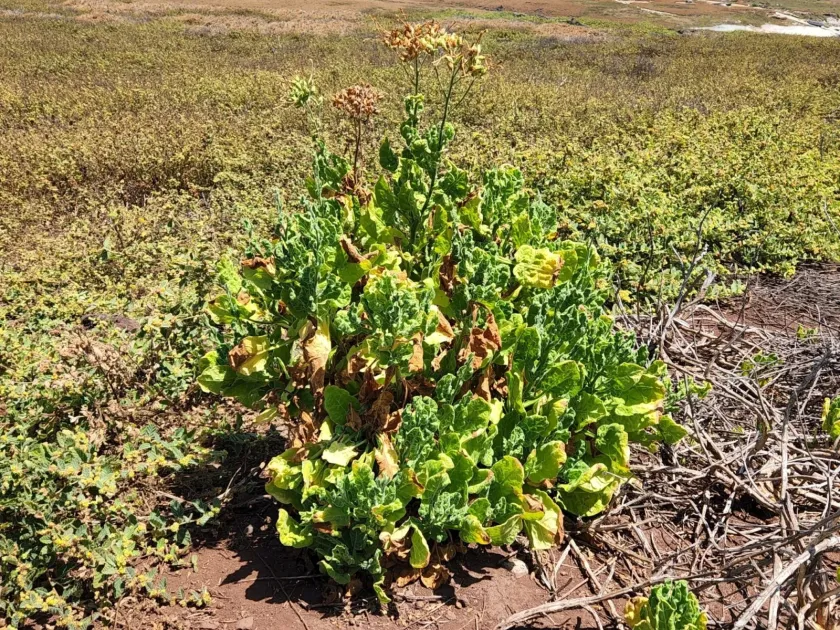
Description
Growing requirements
Nicotiana nesophila is a rare and distinct species belonging to the Solanaceae family. Originating from specific island habitats, particularly in the Revillagigedo Archipelago, this plant has adapted to environmental conditions that differ significantly from those of common commercial tobacco varieties.
The crop thrives in well-drained, volcanic-origin soils that allow for rapid water movement and root aeration. A key requirement for healthy growth is the absence of waterlogged conditions, which can lead to quick decomposition of the root system in this delicate species.
Optimal development occurs under stable maritime climatic conditions with high light intensity. Being a plant native to island ecosystems, it requires consistent temperatures and prefers to avoid the extremes of heat or cold found in continental climates.
In terms of agricultural management, maintaining a neutral to slightly alkaline soil pH is crucial. Fertilization programs must be balanced, focusing on a slow-release supply of microelements to support the natural metabolic rate of the plant.
Its primary usage remains within the realm of botanical research and genetic conservation. It is highly valued as a source of stress-resistant genes, which researchers integrate into modern breeding programs to enhance the resilience of global tobacco crops.
Main diseases and pests
Nicotiana nesophila is susceptible to typical Solanaceae pathogens, including the tobacco mosaic virus. This viral disease can severely affect leaf morphology and overall plant development if not managed through proper sanitation and isolation.
Pest pressure is primarily driven by sap-sucking insects like aphids and whiteflies. These pests not only weaken the plant by extracting nutrients but also serve as vectors for various plant viruses that are devastating to the entire genus Nicotiana.
Fungal diseases, especially those causing root rot, pose a major threat in closed or humid environments. Proper air circulation and controlled irrigation are essential to prevent the proliferation of pathogenic fungi in the root zone.
Preventive measures include implementing rigorous quarantine procedures when introducing the plant to new areas. Regular inspection of the undersides of leaves is critical to catch pest infestations at the earliest possible stage.
Biological control methods are preferred, as the species may show sensitivity to harsh chemical pesticides. Using predatory insects and organic fungicides helps preserve the health of the plant without causing chemical-induced physiological stress.