
Nicotiana fragrans
Nicotiana fragrans
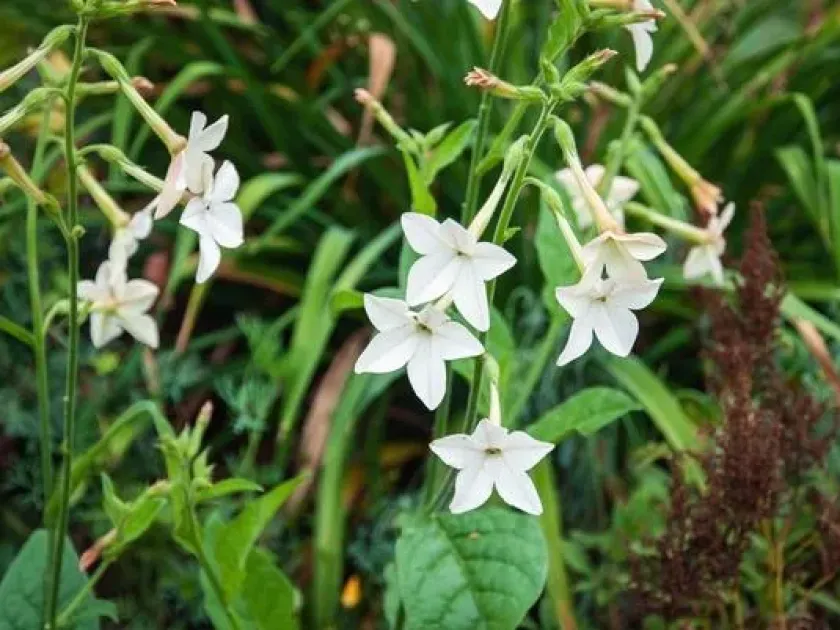
Description
Sowing dates
Nicotiana fragrans belongs to the Solanaceae family and is prized for its intense fragrance and aesthetic appeal. As a warm-season crop, its cultivation cycle requires careful attention to thermal conditions.
Seeds should be sown indoors in late March or early April. Because the seeds are tiny, they should be surface-sown on fine, moist substrate without being covered, as light is required for germination.
Maintaining a stable temperature of 20–22 degrees Celsius is essential for successful germination. Once seedlings appear, moving them to a cooler, brighter location prevents the development of weak, etiolated stems.
Seedlings should be pricked out when the first pair of true leaves forms. This process encourages a more robust root system, which is vital for the plant's subsequent survival during the hardening-off phase.
Transplanting into the garden occurs only after the final risk of frost has passed. Planting density should be approximately 30 cm apart to ensure proper air circulation and to minimize the risk of foliar diseases.
Growing requirements
This species performs best in locations receiving full sun, although it can tolerate partial shade in hotter climates. Adequate light exposure is essential for maintaining a compact habit and high essential oil production.
Well-drained, nutrient-rich soil with a neutral pH is ideal for Nicotiana fragrans. The plant does not tolerate waterlogging, which often leads to root collar rot and stunted plant development.
Consistent moisture is required throughout the growing season. While the plant shows some drought tolerance, prolonged dry spells significantly reduce the length and quality of the flowering period.
Regular fertilization with a balanced, slow-release or liquid fertilizer is recommended. Phosphorus and potassium are particularly important for stimulating the continuous production of fragrant blooms.
Deadheading spent flowers is a recommended practice to redirect the plant's energy from seed production toward new flower buds, thereby extending the ornamental value of the planting.
Main diseases and pests
Aphids are the most common pest, often colonizing the undersides of leaves and the tips of shoots. Early detection and treatment with insecticidal soaps are highly effective for control.
Spider mites can become problematic during hot, arid conditions. Increasing humidity and using specialized acaricides are common management strategies in professional floriculture settings.
Powdery mildew is a fungal threat that appears as a white dusting on foliage. Good spacing and avoiding overhead irrigation can significantly reduce the incidence of this infection.
Root rot is often associated with poor drainage or excessive irrigation. Implementing proper soil drainage techniques is the primary preventative measure against this soil-borne pathogen.
Viral infections, characterized by mosaic patterns on the leaves, represent a serious threat. Since there is no cure, identifying and removing infected plants is necessary to prevent further spreading.