
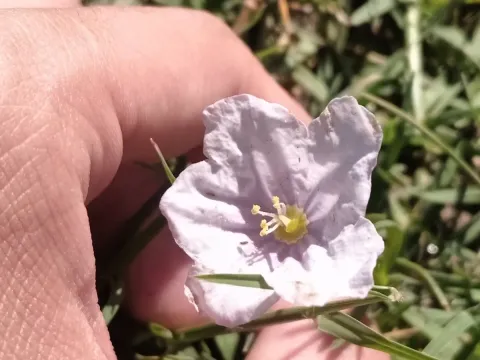
Nierembergia
Nierembergia
Nierembergia, a member of the Solanaceae family, is commonly grown from seeds in regions with seasonal climates. Sowing indoors should begin in late winter or early spring, approximately 8 to 10 weeks before the last expected frost date, to ensure a strong start.
What the section contains


Nierembergia
The seeds are tiny and require light for germination, so they should be sown on the surface of the growing medium without being covered. Maintaining high humidity with a plastic cover is essential until the seedlings emerge, typically within two weeks.
Once the seedlings have developed two sets of true leaves, they should be transplanted into individual pots. This spacing allows the root system to develop adequately, which is crucial for the plant's long-term health and vigorous growth after outdoor planting.
Acclimatization, or hardening off, is a vital step before moving plants outdoors. Over the course of two weeks, plants should be gradually exposed to outdoor conditions to prevent transplant shock, which could otherwise delay or stunt their development.
Outdoor planting should only occur after all threats of frost have passed. Space plants roughly 8 to 10 inches apart to allow for proper airflow; this density is perfect for creating low-growing, colorful mats of flowers in garden beds or containers.
Nierembergia thrives in full sun, which is necessary for maximizing the number of blooms. While it may tolerate partial shade in extremely hot climates, consistent sunlight is generally the key to a vibrant, healthy, and compact plant.
Well-draining, moderately fertile soil is preferred for optimal growth. The plant is prone to root rot if left in waterlogged conditions, so amending heavy soils with compost or perlite is a recommended practice to improve porosity and drainage.
Irrigation should be consistent, keeping the soil moist but never saturated. During hot summer spells, containers may require daily watering, while garden-planted Nierembergia needs regular checks to ensure the root zone does not dry out completely.
Regular fertilization with a balanced, water-soluble fertilizer helps sustain flower production throughout the blooming season. Applications every two weeks are sufficient to provide the necessary nutrients for continuous growth without over-stimulating foliage.
In terms of climate, Nierembergia is typically grown as an annual in cooler regions. However, in frost-free zones, it can be treated as a tender perennial, although it often performs best when replanted every few years to keep the display fresh.
The most common disease problems for Nierembergia are fungal, specifically root rots caused by overwatering or poor drainage. Preventing these issues starts with choosing the right site and ensuring the soil remains light and airy.
Aphids are the most frequent insect pests, often congregating on new, tender growth. If an infestation is spotted early, a simple blast of water or an application of insecticidal soap can effectively manage the population without harming beneficial insects.
Spider mites can also become a problem in hot, dry conditions, causing leaves to appear speckled or dusty. Frequent monitoring of the underside of the foliage is recommended, especially during mid-summer heatwaves where the mites reproduce rapidly.
Powdery mildew may occur if there is high humidity and poor air circulation around the plants. Proper spacing and avoiding overhead watering can significantly reduce the incidence of this fungal disease, keeping the foliage clean and healthy.
General hygiene, such as removing debris and spent flowers, helps maintain plant health and reduces the habitat for potential pests. Should severe issues arise, targeted fungicides or pesticides should be applied according to the label instructions.