
Nicotiana miersii
Nicotiana miersii
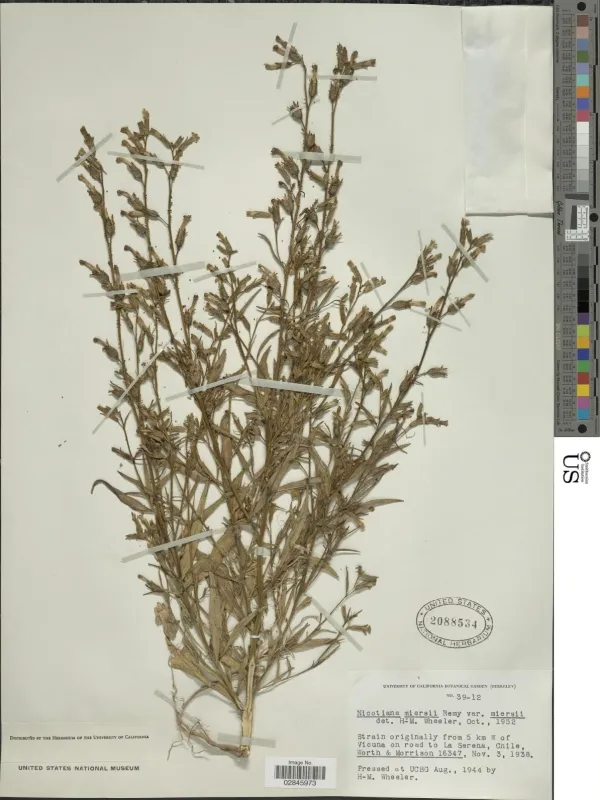
Description
Sowing dates
Nicotiana miersii seeds are exceptionally small, requiring surface sowing to ensure proper germination. Do not cover them with soil; instead, gently press them into a moist growing medium to establish good contact for water uptake.
Start sowing indoors in late winter or early spring, approximately 6 to 8 weeks before the last frost date. Maintain a consistent room temperature between 20°C and 22°C to achieve optimal germination results within two weeks.
Hardening off is a critical step before transplanting the seedlings into the garden. Gradually expose the plants to outdoor conditions over a period of ten days to acclimatize them to direct sunlight and fluctuating temperatures.
When transplanting, maintain a spacing of 30–40 cm between individual plants. This distance is vital to promote adequate airflow, which is the primary defense against foliage diseases in this particular species of Nicotiana.
Seedlings prefer a stable environment without sudden fluctuations in moisture. Use a fine mist spray for watering to avoid disturbing the seeds or compacting the soil surface, which could hinder the development of delicate roots.
Growing requirements
Nicotiana miersii, a member of the Solanaceae family, is valued for its unique botanical traits and aromatic blooms. While often treated as an annual, it serves as an excellent ornamental feature in garden beds and containers.
This species thrives in full sun but can tolerate partial shade in hotter climates. Select a location that is sheltered from strong, drying winds, which can easily damage the tall, slender flower stalks common to this plant.
Soil requirements include high organic matter content, good fertility, and excellent drainage. If your soil is heavy or prone to waterlogging, incorporate compost or sand to improve the overall soil structure and aeration.
Watering should be consistent; the plant prefers a slightly moist but well-drained substrate. Avoid waterlogging, as this increases the risk of root rot, which is a common vulnerability among many members of the tobacco genus.
Feeding the plants with a balanced liquid fertilizer every two weeks during the active growing season will promote vigorous growth. Ensure the pH of the soil is within the neutral range (6.0–7.0) for best nutrient absorption.
Main diseases and pests
Common pests include aphids and whiteflies, which frequently cluster on the undersides of the leaves. These insects weaken the plant by feeding on sap, necessitating regular inspection and early intervention with insecticidal soaps.
Damping-off is a prevalent fungal issue for young seedlings grown in humid, poorly ventilated conditions. Prevent this by ensuring high hygiene standards for seed trays and providing adequate air circulation around the developing plants.
Powdery mildew can affect the foliage during periods of high humidity or poor air movement. Signs include a white, dust-like coating on the leaves; remove affected foliage immediately and consider applying a fungicide if needed.
Thrips may cause silvering or necrotic spots on the leaves, impacting the plant's aesthetic value. Effective management involves both cultural practices, such as removing weeds, and the use of targeted systemic insecticides.
Slugs and snails are particularly problematic for young, tender plants. Use physical barriers like crushed eggshells or copper tape around the base of the plant to prevent these pests from reaching the foliage at night.
Harvesting
Harvesting seeds requires waiting until the seed pods turn dry and brown. Collect them on a dry day to prevent mold development and ensure the seeds are fully matured for storage purposes in the following season.
For ornamental floral arrangements, cut the flower stalks when they are in peak bloom. Strip the lower leaves from the stem before placing them in a vase to maintain water quality and extend the vase life of the flowers.
Clean the collected seeds by separating them from the chaff using a fine sieve. Store the clean seeds in paper envelopes in a cool, dark, and dry place to preserve their viability for future planting cycles.
Seeds can maintain high germination rates for several years when kept under appropriate conditions. Ensure the storage area is free from temperature spikes, which can significantly reduce the long-term potential of the seed stock.
At the end of the season, remove the entire plant, including the root system, to maintain garden hygiene. This practice helps to reduce the survival of soil-borne pathogens and prepares the bed for next year's crop.