
Nicotiana repanda
Nicotiana repanda
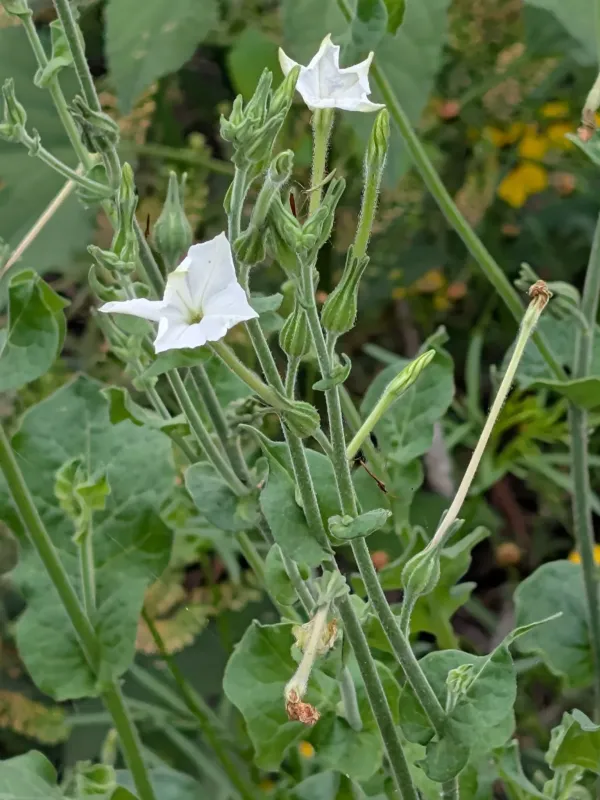
Description
Sowing dates
Sowing Nicotiana repanda seeds should take place indoors during early spring to ensure a long growing season for the young plants.
The seeds are extremely small and require exposure to light to germinate, so they should be sown on the surface of the growing medium.
Using a sterile, well-draining seed starting mix helps prevent fungal issues that can devastate young seedlings in their early stages.
Maintain consistent moisture and temperatures between 20 and 22 degrees Celsius to achieve high germination rates within a few weeks.
Once the seedlings reach a manageable size, transplanting them into individual pots allows for stronger root development before they move outdoors.
Growing requirements
This species thrives in full sun, which promotes vigorous growth and the development of its characteristic foliage and floral structures.
Soil quality is paramount; the plant prefers fertile, loamy soil with a neutral pH to maintain optimal nutrient uptake throughout the season.
Regular watering is essential, yet the soil must remain well-aerated to prevent oxygen deprivation in the root zone, which can lead to rot.
Providing adequate spacing between plants ensures proper airflow, which is critical for reducing humidity-related diseases in dense foliage.
Supplemental feeding with a balanced liquid fertilizer during the peak growing phase will support the plant's structural integrity and health.
Main diseases and pests
Aphids and whiteflies are common pests that feed on the undersides of leaves, requiring constant monitoring to prevent major infestations.
Powdery mildew can manifest as a white, dusty layer on the leaves if humidity levels are high and airflow remains insufficient.
Tobacco mosaic virus remains a primary concern for all Nicotiana species, often transmitted by handling or insect vectors in the garden.
Root rot caused by overwatering is a frequent issue, particularly in heavy soils that do not provide adequate drainage for the root system.
Integrated pest management, including the use of neem oil and physical barriers, is recommended to keep the plants free from severe damage.