
Nicotiana knightiana
Nicotiana knightiana
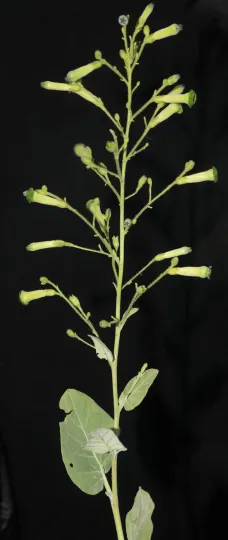
Description
Sowing dates
Nicotiana knightiana is a unique species within the Solanaceae family that requires precision during the sowing phase. Due to the tiny size of its seeds, they should be surface-sown on a well-prepared seedbed.
The ideal timeframe for starting the seeds is late February to early March in a controlled greenhouse environment. This ensures healthy seedlings are ready for outdoor planting.
Proper contact with the soil is essential, so the substrate should be lightly pressed before sowing. Do not cover the seeds with soil, as they require light to germinate effectively.
Maintaining a temperature of 20–22 degrees Celsius is crucial for uniform germination. Fluctuations in temperature can significantly decrease the success rate of the planting.
After the germination phase, providing adequate ventilation is necessary to prevent damping-off, a common issue in early-stage cultivation of this botanical species.
Growing requirements
This crop thrives in fertile, well-drained loamy soils. It has a low tolerance for waterlogged conditions, which can lead to root system failure and stunted overall growth.
High levels of solar radiation are required for optimal development. Exposure to full sunlight contributes to better plant structure and increases the production of secondary metabolites.
The climate requirements include a frost-free growing season with average temperatures ranging from 18 to 25 degrees Celsius for consistent metabolic activity.
Fertilization programs should emphasize balanced NPK ratios, with a focus on phosphorus and potassium to support blooming and structural strength of the stems.
Regular irrigation is needed, especially during peak summer months. However, the soil must be allowed to dry slightly at the surface to encourage deep root penetration.
Main diseases and pests
Aphids and tobacco thrips are the primary pests that affect the foliage. These insects can cause significant damage to the leaf tissue if not managed with integrated pest control.
Fungal infections, such as root rots, are often triggered by improper moisture management. Ensuring good drainage is the best prophylactic measure against these pathogens.
Viral diseases, including tobacco mosaic virus, are a threat to this plant. Strict hygiene practices for agricultural tools and equipment are essential to prevent viral transmission.
Mildew can occur during periods of high humidity and poor air circulation, necessitating thinning of the plants to improve airflow and reduce fungal load.
Regular monitoring of the crop is mandatory to identify early signs of infestation, allowing for quick intervention with biological or chemical control methods as necessary.