
Nicotiana solanifolia
Nicotiana solanifolia
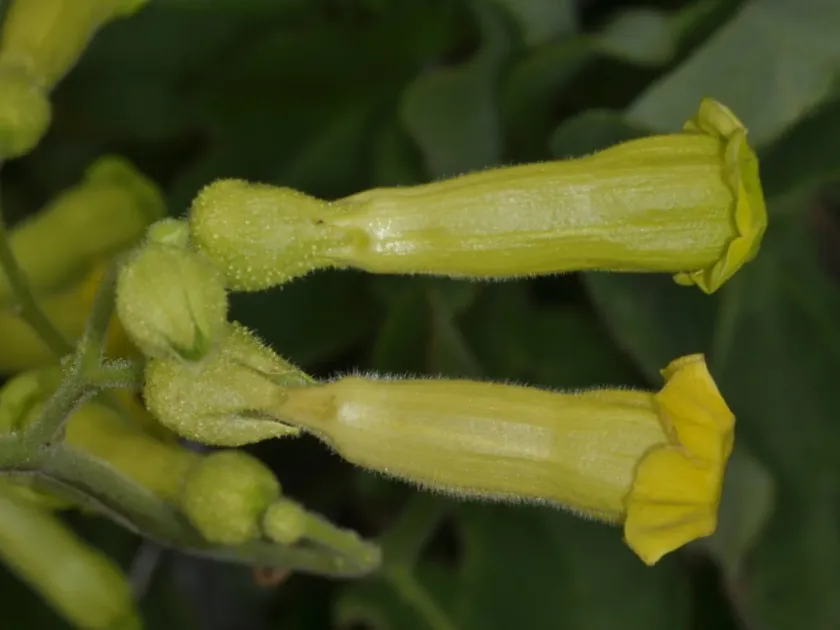
Description
Sowing dates
Nicotiana solanifolia is a specialized crop that requires careful seed management. Due to the small size of the seeds, they should be surface-sown in a high-quality seed-starting mix to ensure adequate germination rates.
Early spring indoor sowing is recommended to extend the vegetative period, allowing the plant to reach maturity before the onset of cold autumn temperatures.
Maintaining high humidity and light exposure during the initial stages of growth is critical for achieving uniform seedling development and preventing etiolation.
Transplanting to the permanent location should only occur once the soil has sufficiently warmed and there is zero risk of frost, which is lethal to the young, tender leaves of the plant.
Proper spacing is essential to ensure that each plant receives sufficient airflow, which minimizes the risk of humidity-related pathogens within the dense foliage of the crop.
Growing requirements
This species belongs to the Solanaceae family and thrives in well-draining, nutrient-rich soil with a slightly acidic to neutral pH balance, mimicking the conditions of its native Chilean habitat.
The plant requires full sun exposure for at least six to eight hours per day to drive the metabolic processes necessary for the synthesis of alkaloids and other leaf compounds.
Consistent irrigation is vital, as the plant does not tolerate prolonged drought; however, waterlogging must be avoided at all costs to prevent root rot and anaerobic conditions.
Soil structure should be friable and light to allow for deep root penetration, which is necessary for the plant to withstand wind and ensure proper nutrient uptake throughout the growing cycle.
Nutrient management should focus on balanced fertilizers, providing sufficient phosphorus during early development and potassium during the leaf maturation phase.
Main diseases and pests
Nicotiana solanifolia is susceptible to various pests common to the genus Nicotiana, including aphids, whiteflies, and spider mites, which can cause significant damage to the leaf tissue.
Viral infections, often transmitted by insect vectors, represent a major threat and are usually managed by controlling the populations of sap-sucking insects in the field.
Fungal pathogens such as Sclerotinia or various types of root rot can occur if soil management practices—specifically irrigation—are not aligned with the drainage capacity of the land.
Preventative strategies should involve strict adherence to crop rotation cycles, avoiding fields previously occupied by potatoes, tomatoes, or other tobacco varieties for several years.
Regular field scouting and the use of pheromone traps can help identify potential outbreaks early, allowing for timely intervention with mechanical or biological control agents.
Harvesting
The harvest strategy for Nicotiana solanifolia is determined by the specific requirements for the leaf quality, as the accumulation of secondary metabolites peaks at specific stages of maturity.
Leaves are typically harvested manually in stages, starting from the lower levels of the stalk and moving upward as they show signs of color change and maturity.
Post-harvest handling is critical, requiring immediate processing or specific drying protocols to prevent leaf degradation and ensure the preservation of the desired chemical profile.
Proper curing conditions, involving controlled temperature and humidity, are necessary to transform the raw material into a shelf-stable product with specific aromatic or technical properties.
Harvesting should be conducted during dry weather, preferably in the morning after the dew has evaporated, to ensure the cleanest possible material for further processing.