
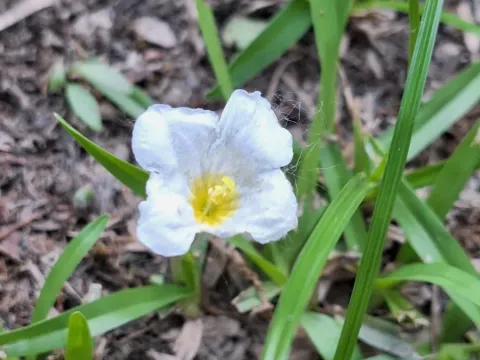
Nierembergia
Nierembergia Ruiz et Pav.
Nierembergia, a member of the Solanaceae family, is typically grown as an annual or tender perennial depending on the climate. Sowing begins in late winter or early spring in a greenhouse or controlled indoor environment to ensure robust growth before the transplanting season.
What the section contains
 Nierembergia hippomanica
 Miers
Nierembergia hippomanica
Nierembergia hippomanica Miers
 Nierembergia hippomanica
 Miers var. coerulea (Gillies ex Miers) Millán
Nierembergia hippomanica
Nierembergia hippomanica Miers var. coerulea (Gillies ex Miers) Millán
 Nierembergia linariaefolia
Nierembergia linariaefolia
Nierembergia linariaefolia
 Nierembergia repens
 Ruiz & Pav.
Nierembergia repens
Nierembergia repens Ruiz & Pav.
 Nierembergia scoparia
 Sendtn.
Nierembergia scoparia
Nierembergia scoparia Sendtn.
Nierembergia
The seeds require light to germinate, so they should be surface-sown on a fine, moisture-retentive seed starting mix. A light covering of vermiculite can help maintain humidity while allowing necessary light exposure for successful sprouting.
Optimal germination occurs at temperatures between 20°C and 22°C. Consistent moisture must be maintained, ideally using a misting system or bottom watering, to prevent the delicate seeds from drying out during the critical germination phase.
Once true leaves develop, seedlings should be pricked out into individual pots. Pruning the growing tips during the vegetative stage is highly recommended to encourage lateral branching, resulting in a denser and more floriferous habit.
Transplanting to the final site occurs only after the danger of frost has passed. Hardening off the seedlings over a week is essential to acclimatize them to outdoor conditions, reducing transplant shock and ensuring vigorous establishment.
Nierembergia flourishes in full sun, which is essential for maximizing flower production and maintaining a compact habit. While the plant can tolerate partial shade, insufficient light often leads to leggy growth and significantly reduced blooming.
The soil requirements include well-draining, moderately fertile media. It thrives in loamy or sandy soils that possess enough organic matter to retain sufficient moisture without becoming waterlogged, which is detrimental to its root health.
Consistent irrigation is vital, particularly during prolonged dry spells. While the plants prefer constant moisture, they are sensitive to soil saturation; therefore, a well-structured soil with excellent drainage is crucial to prevent root rot.
Regular fertilization is necessary to support its long blooming season. Applying a balanced liquid fertilizer with an emphasis on phosphorus and potassium every two weeks encourages continuous flower development throughout the summer.
In regions with high temperatures, mulching is recommended to keep the root zone cool. Proper spacing between plants is also important to ensure adequate air circulation, which prevents localized humidity build-up and promotes overall plant health.
The primary threats to Nierembergia are related to humidity management. Root and crown rot are common in overly wet soils, caused by various soil-borne pathogens that exploit stagnant water conditions to infect the plant tissue.
Powdery mildew represents a significant fungal threat, especially in humid conditions with poor airflow. It manifests as a white, dusty layer on leaves, which reduces the surface area available for photosynthesis and weakens the plant.
Aphids are the most frequent insect pests, clustering on tender shoots and flower buds to feed on sap. Their feeding activities cause stunted growth and can lead to secondary viral infections transmitted between plants.
Spider mites are common in hot, dry environments, damaging leaves by puncturing cells. Signs of infestation include stippled, pale leaves and the presence of fine webbing, which often go unnoticed until significant damage has occurred.
Effective management includes integrated pest control strategies, utilizing biological controls or targeted insecticides when necessary. Keeping the planting area clean and promptly removing infected plant debris helps minimize the spread of diseases.