
Nicotiana rotundifolia
Nicotiana rotundifolia
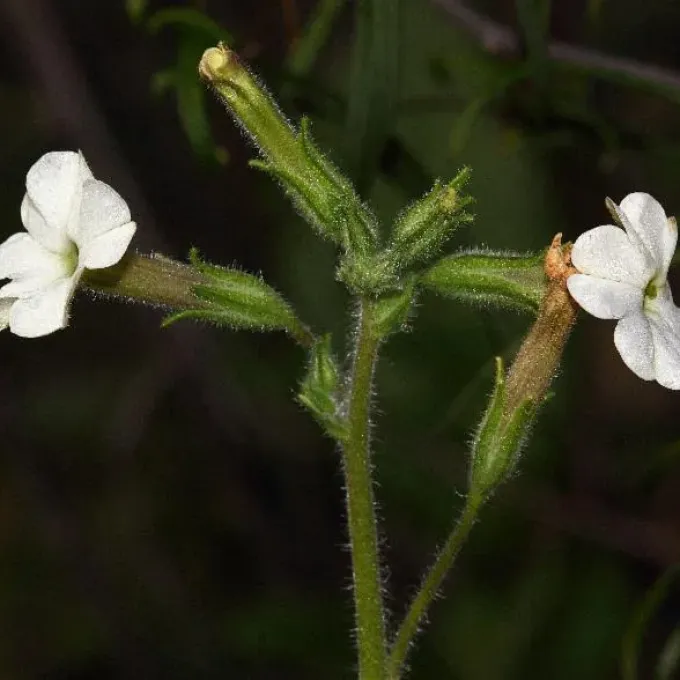
Description
Sowing dates
Sowing Nicotiana rotundifolia seeds requires meticulous attention because of their minute size, which necessitates surface sowing on a fine, moist substrate.
Optimal results are achieved when seeds are kept under stable temperatures, typically between 20 and 22 degrees Celsius, within a controlled greenhouse environment.
Direct outdoor sowing should only be attempted once the soil has warmed up significantly and all danger of frost has completely passed for the season.
Moisture control is critical during the initial germination phase, as any desiccation of the seedbed can lead to immediate failure of the seedlings.
Transplanting the young plants into individual pots allows for better root development and prepares them for the stressors of outdoor garden conditions.
Growing requirements
Nicotiana rotundifolia is a member of the Solanaceae family, native to the arid landscapes of Australia, which dictates its preference for well-drained soils.
This species thrives in full sunlight, which is necessary to maintain its compact growth form and prevent the stretching of stems common in shaded areas.
The soil should have a neutral to slightly acidic pH level and a structure that ensures rapid drainage, preventing the waterlogging that harms this species.
Although it is inherently drought-tolerant, supplemental irrigation during extreme heatwaves will significantly improve its overall growth and flower production.
Proper airflow is essential for this plant, as stagnant conditions often exacerbate humidity issues and increase susceptibility to common pathogens.
Main diseases and pests
Aphids represent a primary pest threat, colonizing the underside of leaves and stems, which requires prompt intervention to prevent stunted growth.
Powdery mildew often appears on the foliage if air circulation is poor, particularly during humid spells in the late part of the growing season.
Spider mites are another common challenge, especially in hot and dry climates, where they can quickly cause the leaves to yellow and wilt.
Root rot is a major risk factor if the irrigation schedule is too frequent or if the soil lacks the necessary porosity for effective drainage.
Effective pest management involves regular scouting of the plants and the application of targeted treatments when the first signs of infestation appear.
Harvesting
The harvest of Nicotiana rotundifolia seeds takes place once the seed capsules have fully matured, turned brown, and become brittle to the touch.
Care must be taken during the harvesting process to prevent the pods from shattering and losing the small seeds onto the ground prematurely.
Collected materials should be spread out in a dry, ventilated area to complete the curing process, ensuring long-term viability for future plantings.
While primarily cultivated for ornamental purposes, the seeds are the main product harvested, as they remain the primary method of propagation for this species.
Storage should be conducted in airtight, cool containers to protect the seeds from environmental fluctuations and maintain germination rates over winter months.