
Nicotiana petunioides
Nicotiana petunioides
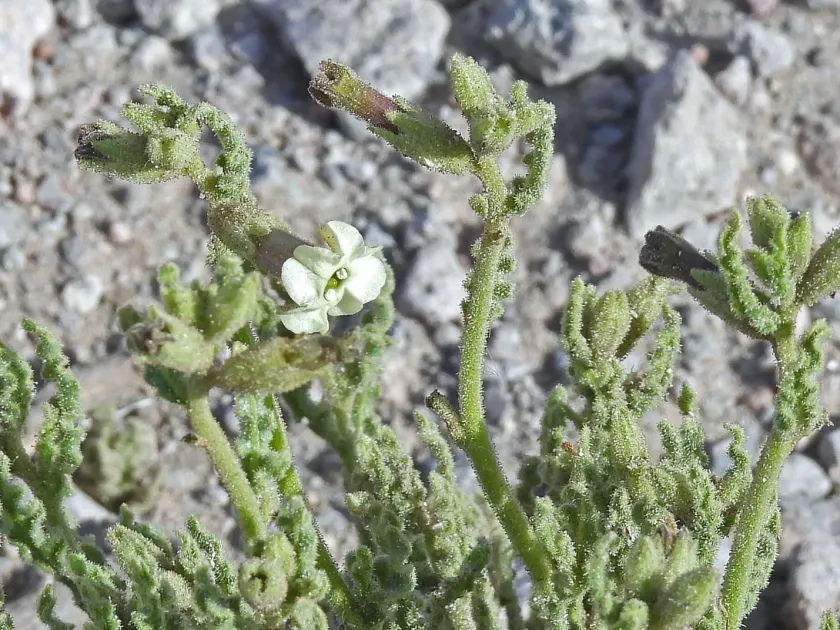
Description
Sowing dates
Sowing Nicotiana petunioides seeds for seedling production is best initiated in late winter or early spring. Due to the fine structure of the seeds, they should be sown on the soil surface without covering, ensuring constant moisture during the germination process.
A stable temperature between 20°C and 22°C is essential for uniform emergence. Once seedlings emerge, provide ample light to maintain sturdy growth and prevent the plants from becoming leggy or weak.
Transplanting into the open field should only occur once all danger of frost has passed. Because it belongs to the Solanaceae family, the crop requires careful handling of its root system to minimize transplant shock.
Hardening off the seedlings over a period of two weeks allows the plants to adapt to environmental stressors and prepares them for the transition to outdoor conditions.
Spacing should be optimized based on the site's fertility, generally allowing 30 to 40 centimeters of distance between individual plants to ensure adequate airflow and nutrient access.
Growing requirements
Nicotiana petunioides thrives in full sunlight but can tolerate partial shade in hotter climates to prevent leaf scorching. It prefers sites protected from strong winds to avoid physical damage to the stems.
The soil should be well-drained, fertile, and slightly acidic to neutral. Heavy, waterlogged soils are detrimental to the root system and must be avoided to prevent fungal infections.
Irrigation practices should be focused on maintaining consistent soil moisture while avoiding overhead watering, which can encourage disease development on the foliage.
Balanced fertilization during the early vegetative phase is recommended to support leaf development, followed by high-potassium applications during the reproductive stages.
- Excellent soil drainage.
- Consistent moisture management.
- Well-aerated growing environment.
Main diseases and pests
Aphids and whiteflies are the most common insect pests, capable of causing significant damage by sucking sap and spreading viral pathogens throughout the crop.
Damping-off (black leg) is a common fungal threat in the seedling stage, primarily triggered by poor soil ventilation and excessive humidity in the growing environment.
Tobacco mosaic virus poses a severe threat, as it spreads rapidly through handling or contact and currently lacks a direct chemical cure, necessitating strict hygiene.
Root rot, often caused by species of Phytophthora or Pythium, occurs in poorly drained soils and can quickly kill entire patches of the crop.
Regular monitoring and integrated pest management (IPM) practices are essential to detect early signs of infestation and prevent widespread crop failure.