
Nicotiana megalosiphon
Nicotiana megalosiphon
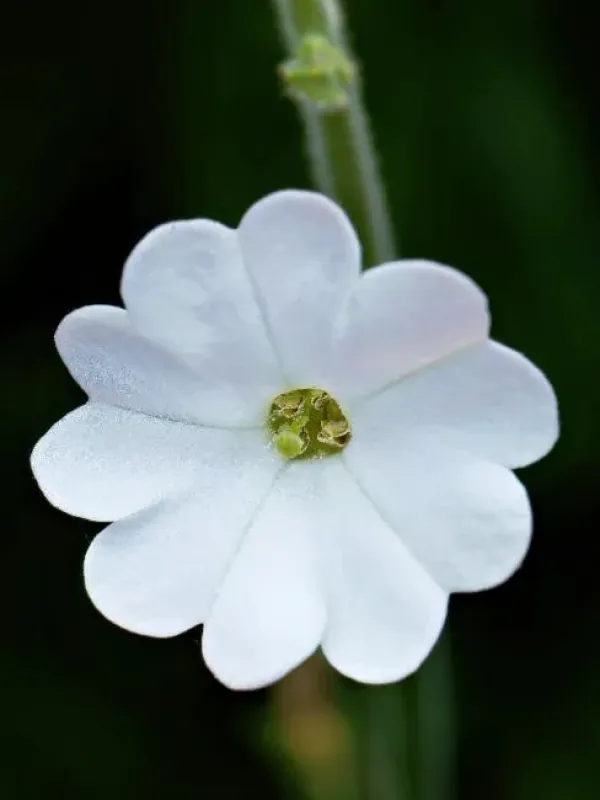
Description
Sowing dates
Nicotiana megalosiphon is typically propagated via seeds sown in a controlled environment. The ideal time for sowing is late winter to early spring, usually around March, in a greenhouse or indoors.
Since the seeds are extremely small, they should be surface-sown on a fine, moist growing medium. Press them gently into the soil but do not cover them, as they require light to germinate effectively.
Maintain a constant temperature between 20 and 22 degrees Celsius and ensure high humidity during the germination period. Transparent plastic covers are recommended to maintain an optimal microclimate until the seeds sprout.
Once the seedlings have developed two true leaves, they should be carefully pricked out into individual pots. Providing adequate light is crucial at this stage to prevent the plants from becoming leggy and weak.
Acclimatization of the plants to outdoor conditions should be carried out gradually over 10–14 days. This preparation phase is essential for the survival and rapid establishment of the plants after transplantation into the field.
Growing requirements
This species thrives in full sun and requires a well-drained, fertile soil to reach its full potential. While it is native to Australian arid regions, garden cultivation requires consistent moisture to maintain vigorous growth.
Soil should be kept moderately moist, but it is vital to avoid waterlogging, which can easily trigger root rot. Ensure the garden site has good air circulation to keep the foliage dry and healthy throughout the summer.
Fertilization with a balanced, low-nitrogen liquid fertilizer every few weeks promotes more prolific flowering. Excessive nitrogen will result in lush leaf growth at the expense of the signature long-tubed flowers.
Spacing is an important management factor; plants should be set 30 to 45 centimeters apart. This spacing helps prevent the buildup of humidity around the plants and allows sufficient light penetration for lower foliage.
In terms of climatic adaptation, this plant is well-suited for warm regions with hot summers. It handles heat significantly better than many other tobacco species, making it a robust choice for xeriscaping or dry-climate gardens.
Main diseases and pests
Aphids are the most common pest observed on Nicotiana megalosiphon. They usually cluster on new growth and flower buds, causing stunted development and distorted leaves if left untreated by appropriate insecticides.
Spider mites can become a significant issue during hot and dry spells. These pests damage the plant by sucking cell sap, leading to the yellowing and premature death of leaves if not managed with targeted acaricides.
Fungal pathogens such as powdery mildew may develop if there is insufficient airflow or if overhead watering causes water to sit on the leaves. Improved spacing and careful watering at the base of the plant are effective prevention strategies.
Damping-off diseases, primarily affecting young seedlings, are usually associated with poor soil drainage and overcrowded conditions. Always use sterilized potting soil to minimize the risk of soil-borne pathogens in the nursery stage.
- Aphids
- Spider mites
- Powdery mildew
- Damping-off