
Nicotiana goodspeedii
Nicotiana goodspeedii
Description
Sowing dates
Nicotiana goodspeedii is a species of wild tobacco belonging to the Solanaceae family. Native to arid regions of Australia, this plant is primarily utilized in agricultural science as a genetic resource for crop improvement rather than for commercial leaf production.
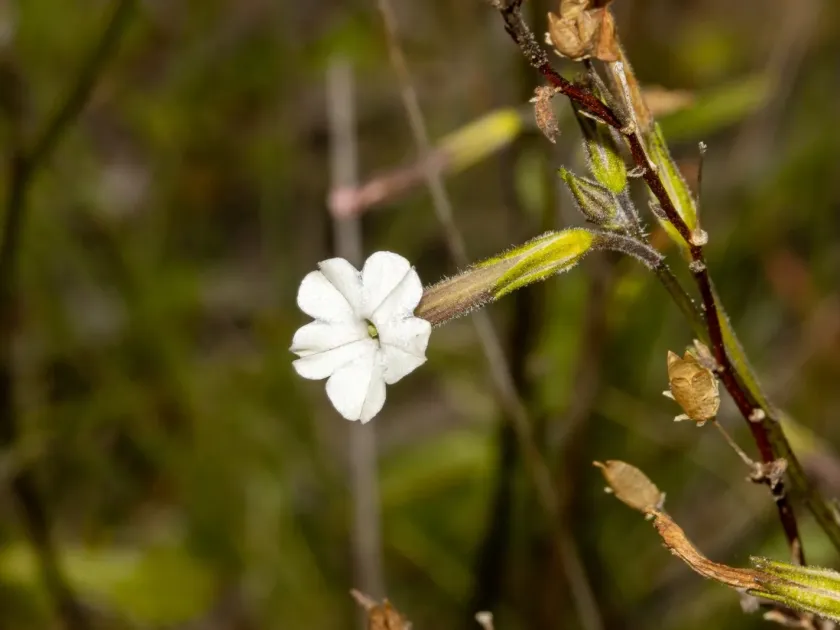
The plant exhibits a small, herbaceous growth habit, often covered in glandular hairs that contribute to its sticky texture. Its tubular flowers, ranging in color from white to pale yellow, are adapted for pollination in harsh environments.
In scientific research, it serves as a donor parent for interspecific hybridization. Breeders aim to incorporate its drought-tolerance genes and resistance to environmental stress into traditional Nicotiana tabacum varieties.
Sowing requires a well-draining, sandy substrate that mimics the natural rocky habitats of the Australian outback. The seeds need light to germinate and should be placed on the surface of the growing medium without covering them.
The lifecycle of this species is relatively fast, reflecting its adaptation to unpredictable rainfall patterns in its natural range, where completing the reproductive cycle quickly is essential for survival.
Growing requirements
This species demands high solar radiation throughout its entire vegetative phase. Insufficient light results in etiolation and significantly reduces the plant's physiological fitness and seed yield.
Soil requirements are minimal; the plant thrives in low-nutrient, well-aerated soils with a neutral or slightly alkaline pH. Compacted or waterlogged soils are detrimental to root development and health.
Temperature management is critical, with an optimal growth range of +22 to +26 degrees Celsius. As a native of warm arid climates, it cannot withstand freezing temperatures or frost.
Irrigation practices must be strict, relying on minimal watering intervals. Avoiding stagnant moisture around the root zone is the primary defense against the physiological disorders common to this species.
Adequate air circulation is mandatory, especially when cultivated in greenhouses or growth chambers. Good ventilation prevents the development of fungal pathogens and ensures dry leaf surfaces.
Main diseases and pests
The most significant threats to Nicotiana goodspeedii are fungal diseases, particularly root rot and powdery mildew, which thrive in conditions with improper moisture control or poor drainage.
Pests such as aphids, whiteflies, and spider mites pose a major risk to the plant. These insects not only damage tissues but also act as vectors for various plant viruses that are highly infectious to Solanaceous species.
Viral infections can be devastating for breeding collections. Strict quarantine protocols and regular monitoring for symptoms are essential to protect the genetic integrity of the germplasm.
Over-fertilization, especially with nitrogen-based products, should be avoided as it compromises the plant's natural resilience to drought and makes it more susceptible to pest infestations.
Effective management includes the immediate removal and disposal of any infected plants to prevent the spread of diseases within the nursery or research site.