
Nicotiana edwardsonii
Nicotiana edwardsonii
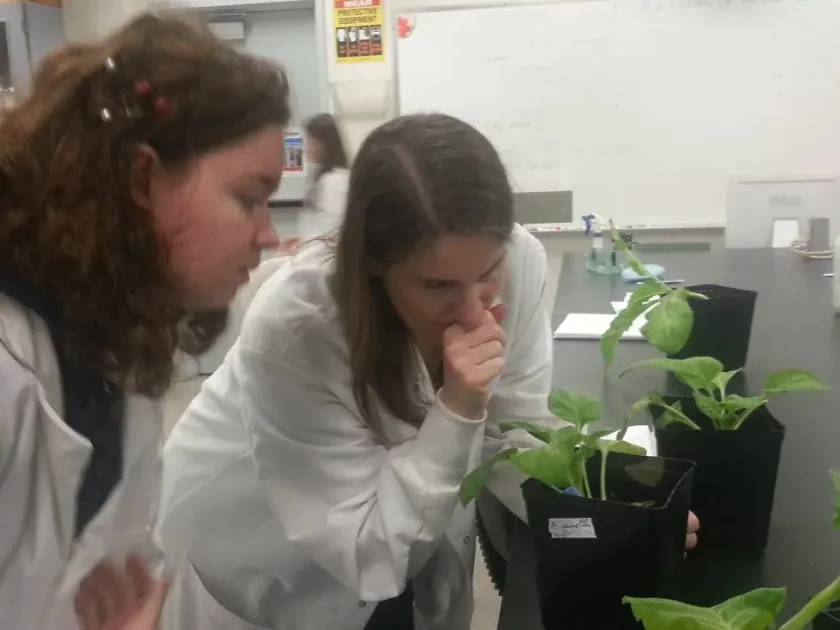
Description
Sowing dates
Nicotiana edwardsonii is a specialized plant species within the Solanaceae family, often grown for scientific study or specific technical applications. Sowing seeds indoors under controlled conditions during late winter is the recommended starting point for this culture.
The seeds are extremely small, requiring surface sowing on a finely textured, sterile medium. Maintaining high humidity and a consistent temperature of around 21 degrees Celsius is essential for germination success within the first two weeks.
Transplanting the seedlings into individual containers is necessary once they reach a manageable size, usually after the first set of true leaves appears. This ensures minimal root disturbance during the final planting stage.
Hardening off the plants is a critical step that must not be skipped. Exposing the Nicotiana edwardsonii seedlings to outdoor conditions for progressively longer periods allows them to adapt to wind, sun, and temperature shifts.
Final field planting should occur once all danger of frost has passed. Spacing is determined by the intended end use, typically allowing enough room for air circulation to prevent fungal growth.
Growing requirements
As a member of the Solanaceae family, Nicotiana edwardsonii thrives in rich, well-draining soils with an optimal pH range of 6.0 to 6.8. Heavy clay soils should be amended with organic matter to improve aeration.
This species requires full sun exposure to maintain vigorous growth and proper development. Insufficient light levels will lead to leggy, weak plants that are more susceptible to environmental stressors.
Water management is paramount; while the plant requires consistent moisture for development, it cannot tolerate waterlogged conditions. Drip irrigation systems are preferred to keep foliage dry and prevent fungal issues.
Fertilization programs should be balanced, focusing on nitrogen during the early vegetative phase and shifting to higher potassium levels as the plant approaches the reproductive and maturity stages.
Regular monitoring of the growth environment, including air temperature and soil moisture levels, will significantly improve the overall health and yield potential of this agricultural crop.
Main diseases and pests
Tobacco aphids and thrips are the primary insect pests for Nicotiana edwardsonii. They cause physical damage and are known vectors for various viruses that can devastate the crop if left unchecked.
Fungal pathogens such as Fusarium and Rhizoctonia pose significant risks, especially if soil drainage is inadequate. Using fungicides as a preventive measure in high-pressure areas is recommended.
Tobacco Mosaic Virus (TMV) represents a serious threat to the vitality of the plant. Hygiene is the best defense: strictly sanitizing tools and preventing contact between contaminated materials and healthy plants is crucial.
Slugs and snails can cause rapid damage to young, tender leaves. Barriers and baiting stations placed around the perimeter can effectively mitigate this pressure during the initial growth phase.
Integrated Pest Management (IPM) practices should be employed to reduce the reliance on chemical pesticides, ensuring the longevity and health of the growing cycle of the Nicotiana edwardsonii plants.