
Pantacantha
Pantacantha
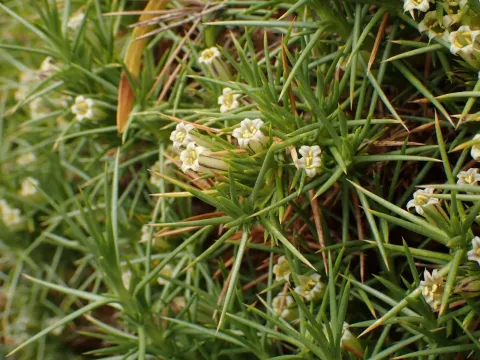
Pantacantha is a genus of flowering plants belonging to the nightshade family, Solanaceae. It consists of a single recognized species, Pantacantha ameghinoi, which is highly adapted to extreme conditions.
What the section contains

Pantacantha
The plant originates from the arid regions of Patagonia, Argentina. It has evolved to survive in steppe environments characterized by low rainfall, high wind exposure, and poor soil nutrient content.
Botanically, it is defined as a thorny, intricately branched shrub. Its morphology is typical of xerophytes, featuring reduced leaf surface area to minimize transpiration during hot and dry spells.
It requires well-drained, sandy or gravelly soils to thrive. It shows remarkable tolerance to alkalinity and high salinity, making it a potential candidate for land reclamation in difficult environments.
Agricultural use of Pantacantha is focused on soil stabilization and erosion control. Its deep root system helps to anchor loose soil, making it valuable for preventing desertification in specialized agricultural zones.
The primary threats to this plant include infestation by sap-sucking insects such as aphids or mites, which are common pests of the Solanaceae family. These can weaken the plant's structural integrity.
Fungal diseases are rare in its natural habitat due to the arid climate. However, in controlled cultivation or during unusually wet seasons, root rot can occur if the soil drainage is compromised.
Preventative measures involve ensuring the plants are spaced appropriately to allow for adequate ventilation. Avoiding over-irrigation is the most effective way to prevent soil-borne pathogens.
Animal browsing represents a significant threat to young plants. In regions with limited biomass, local wildlife may forage on the succulent parts of the plant, hindering its establishment.
Management of these threats is best achieved through integrated pest management (IPM) strategies, which prioritize environmental health and the natural resilience of the species over chemical interventions.