
Parascopolia
Parascopolia
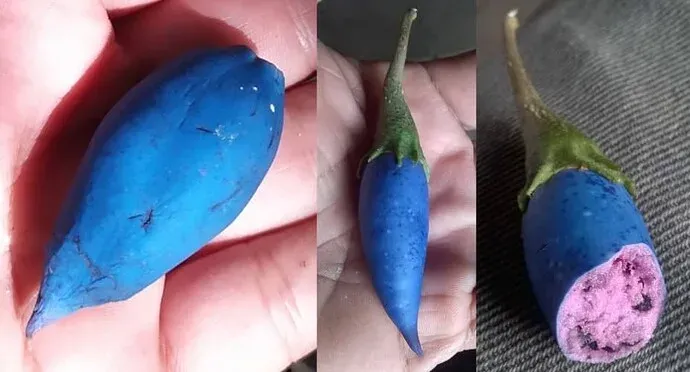
Description
Sowing dates
Parascopolia (Parascopolia) is a unique genus within the Solanaceae family that requires specific environmental conditions for successful cultivation.
Sowing should take place in early spring after the risk of frost has passed, ensuring the soil temperature is adequate for initial seed germination.
When sowing, it is critical to use high-quality, well-aerated soil mixes to prevent dampening off, a common issue for Solanaceae seeds.
Seed depth should not exceed 1 cm to ensure that the small seeds receive enough energy to push through the soil surface effectively.
Professional growers often use indoor starter trays before transplanting to guarantee a uniform stand and early establishment of the crop.
Growing requirements
The plant thrives in well-drained soils with a balanced pH level, preferring sites that receive full sun for most of the day.
Watering requirements are moderate; maintaining consistent soil moisture is essential for development, but flooding must be avoided at all costs.
Nutrition management involves balanced fertilization, particularly during the vegetative phase when the plant builds its biomass.
Space requirements for Parascopolia are determined by the need for airflow, which reduces the risk of fungal proliferation in dense foliage.
The climate should mirror the arid and mountain environments of its origin, characterized by cool nights and warm, sunny daylight hours.
Main diseases and pests
Fungal pathogens such as mildew and root rot represent the primary biological threats to the health of Parascopolia crops during wet seasons.
Pests like aphids and Colorado potato beetles frequently target this family, requiring vigilant scouting and proactive integrated pest management.
Viruses transmitted by insect vectors can also impact yield, making the control of sap-sucking insects a top priority for agronomists.
Crop rotation is a fundamental practice to break the life cycles of soil-borne pathogens that accumulate in areas where Solanaceae are grown.
Maintaining high hygiene standards in the field, including the removal of infected plant debris, is vital for long-term production sustainability.