
Nicotiana linearis
Nicotiana linearis
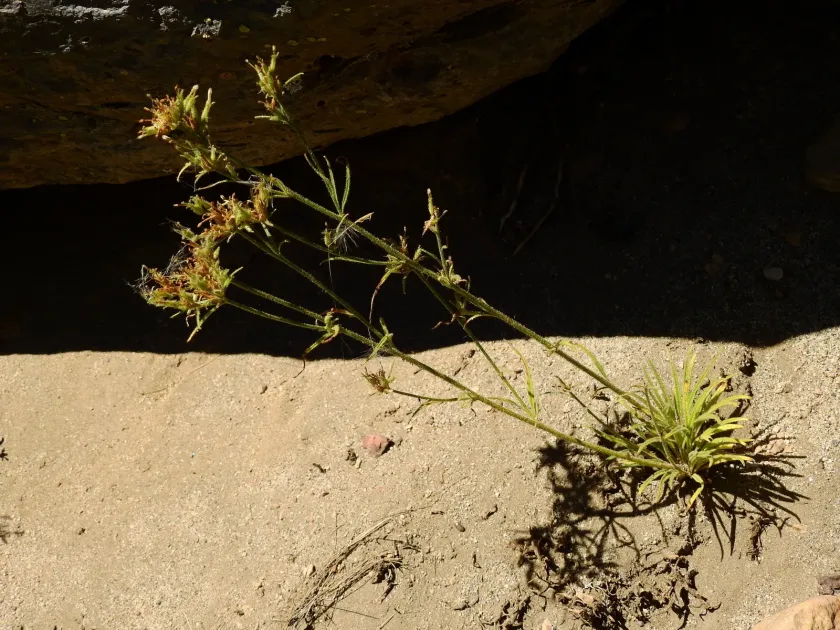
Description
Sowing dates
Sowing Nicotiana linearis is typically conducted in early spring. Due to the small size of the seeds, they are usually started in a controlled environment such as a greenhouse to ensure high germination rates.
The seeds should be sown on the surface of a fine-textured, nutrient-rich potting medium. Light is a critical factor for successful germination, so the seeds should not be buried deep in the substrate.
Maintaining a consistent temperature of 20–22 degrees Celsius is essential for the initial phase. Irrigation must be gentle to ensure that the delicate seeds are not washed away during the process.
Transplanting into the field is carried out once the risk of frost has passed. Plants are usually spaced out to ensure adequate airflow and sunlight penetration, which helps in preventing fungal infections.
Hardening off the seedlings before moving them to the field is a standard procedure that significantly improves plant resilience. This allows the plants to adapt gradually to outdoor environmental conditions.
Growing requirements
Nicotiana linearis thrives in locations with full solar exposure. It belongs to the Solanaceae family and requires significant light intensity to develop properly throughout its vegetative cycle.
Soil requirements focus on high permeability and moderate fertility. Sandy loam soils are preferred as they prevent waterlogging, which the plant is highly sensitive to during all growth stages.
Water management involves consistent, moderate irrigation. While the plant needs moisture for biomass production, it is important to allow the soil surface to dry slightly between watering events.
Fertilization regimes should be based on soil testing results. A balanced NPK fertilizer is typically applied, with a shift towards potassium and phosphorus during the budding phase to boost growth.
Effective weed control and periodic cultivation between rows are necessary to maintain soil aeration. This practice reduces nutrient competition and creates optimal conditions for the root system development.
Main diseases and pests
Common threats to Nicotiana linearis include viral infections like tobacco mosaic virus and fungal issues such as powdery mildew. Proper field sanitation is the first line of defense against these diseases.
Insect pests, specifically aphids and thrips, pose a major risk as they can serve as vectors for various pathogens. Monitoring pest populations is essential for maintaining crop health and yield quality.
Integrated Pest Management (IPM) strategies, including the use of biological controls, are highly recommended. These practices help reduce the reliance on synthetic chemicals and promote ecological balance.
Regular field scouting allows for the early identification of infested plants. Removing and disposing of diseased plants promptly is necessary to prevent the spread of infection across the entire crop area.
Crop rotation is a fundamental practice in managing soil-borne diseases. Avoiding the planting of Solanaceae species in the same field for several consecutive years helps break the pathogen life cycle.
Harvesting
Harvesting is performed through a progressive, selective picking method. Leaves are harvested as they reach technical maturity, starting from the base of the stem and moving upwards over several weeks.
Technical maturity is indicated by a change in leaf color and the presence of a resinous texture on the surface. Properly matured leaves have better characteristics for subsequent processing.
Post-harvest handling begins with wilting or curing in a shaded, well-ventilated area. Controlling humidity and temperature during this period is vital for proper enzymatic development in the leaves.
Gradual drying ensures that the leaves do not become overly brittle. The environment should be protected from direct sunlight to preserve the chemical composition and quality of the final product.
Once dried, the leaves are carefully sorted and packed. Storage in a cool, dry, and dark environment is necessary to maintain the integrity of the harvested material until it is ready for industrial use.